How to Choose أفضل شركة كاترينج for Events
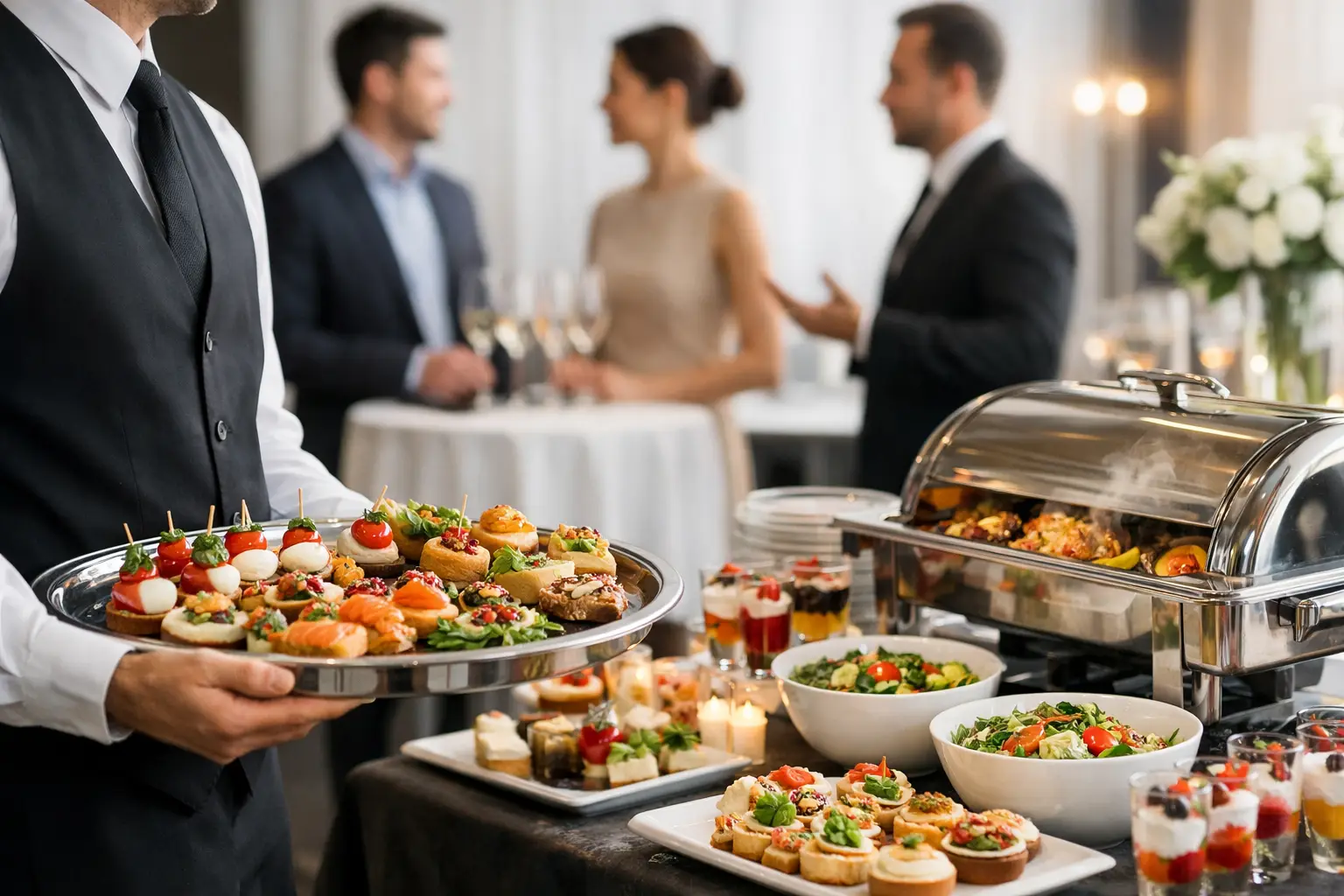
A conference agenda can be flawless, the guest list can be distinguished, and the venue can be perfectly selected - yet a delayed coffee break or poorly presented lunch can change how the entire occasion is remembered. Choosing أفضل شركة كاترينج is therefore not simply a food decision. For corporate, institutional, and VIP occasions, it is a decision about guest confidence, organizational reputation, and the standard of hospitality your event represents.
The right catering partner brings more than prepared menus. It brings disciplined planning, experienced service teams, thoughtful presentation, and the ability to respond calmly when schedules shift or guest requirements change. That distinction matters whether you are arranging a board meeting for twenty executives, a government reception, a large conference, or recurring office meals.
What Defines أفضل شركة كاترينج?
The best catering company is defined by execution as much as cuisine. A beautiful menu has limited value if it arrives late, is not served at the right temperature, or does not suit the setting. Premium catering requires every element to work together: menu design, production capacity, delivery coordination, service etiquette, equipment, setup, and cleanup.
For professional hosts, reliability is often the first measure. A catering provider should understand the event schedule, confirm access and setup requirements in advance, and work to a clear service timeline. This is especially important in Riyadh’s corporate environment, where meeting windows are often tight and attendees may be moving between sessions.
Presentation is equally significant. Guests notice the details: the condition of serving stands, the arrangement of refreshments, the cleanliness of uniforms, and the way service staff welcome and assist them. These details communicate respect before anyone takes their first bite.
Start With the Occasion, Not the Menu
Many catering decisions begin with a question about food choices. A stronger starting point is the purpose of the event. A working breakfast has different requirements from a VIP reception, and a conference lunch needs a different approach from a private evening gathering.
For a morning executive meeting, breakfast boxes or an organized breakfast buffet may be the most practical choice. The aim is to offer quality and convenience without interrupting the meeting flow. Fresh coffee, light pastries, savory selections, fruit, and well-considered dietary alternatives can create a professional beginning without becoming overly elaborate.
Coffee breaks require precision rather than excess. Delegates need accessible refreshments that fit the duration of the break and are easy to enjoy while networking. A polished coffee station, carefully selected sweets, savory bites, and replenishment throughout the session can make a short break feel properly hosted.
Lunch service calls for more planning. A plated meal may suit a formal leadership gathering, while lunch boxes can be more effective for training sessions, site events, or conferences with limited time. Neither format is inherently better. The right choice depends on the venue, the number of guests, the available service window, and the level of formality expected.
Evaluate Menu Customization With Care
A standard menu can be efficient, but important events rarely benefit from a one-size-fits-all approach. Your catering company should be able to tailor selections to the guest profile, event timing, cultural expectations, and dietary requirements while maintaining consistency at scale.
Ask whether the provider can balance familiar favorites with distinctive options. For many organizations in Saudi Arabia, authentic hospitality is central to the guest experience. Menus that respect local tastes and hospitality traditions, while meeting modern corporate standards, create a more meaningful impression than generic selections.
Customization should also be practical. It may involve accommodating vegetarian, vegan, gluten-sensitive, or other dietary needs; adjusting portion sizes for a working lunch; or creating individual boxes for controlled distribution. The provider should have a clear process for identifying special requests, labeling items correctly, and preventing confusion during service.
A premium menu is not necessarily the longest one. It is a menu with a clear purpose, high-quality ingredients, and selections appropriate for the time and tone of the occasion. Overly heavy food at a midday seminar, for example, can work against the energy of the program. A skilled caterer will advise on these details rather than simply offer every possible option.
Look Beyond Food to Service Standards
For formal events, the service team becomes an extension of your organization. Their appearance, attentiveness, discretion, and understanding of the event environment all influence the guest experience.
A dependable company will assign trained staff suited to the format. A self-service refreshment station may need only periodic monitoring, while a VIP hospitality stand or seated reception requires a more visible, polished service presence. Staff should understand when to engage guests and when to remain discreet, particularly during executive meetings or official functions.
It is also worth clarifying who manages setup and breakdown. Professional catering should reduce the workload on the event organizer, not create another task to supervise. The best providers coordinate arrival times, venue access, table arrangements, service equipment, and post-event clearing with minimal disruption.
Ask direct questions about staffing levels and responsibilities. If the event includes 200 guests, will the company provide enough staff to replenish food, maintain presentation, and keep service moving? If it is a VIP gathering, who will oversee quality on site? Clear answers indicate operational maturity.
Confirm Timing, Logistics, and Contingency Planning
Punctuality is a core hospitality standard. At a business event, a late meal does more than inconvenience guests. It can compress the agenda, affect speaker schedules, and place unnecessary pressure on the organizer.
Before confirming a caterer, discuss the full timeline: delivery, setup, service start, replenishment, clearing, and departure. The company should also ask intelligent questions about parking, loading access, security procedures, elevator availability, venue restrictions, and electrical or water requirements where relevant.
The most reassuring partners plan for variables. Guest counts can change. A meeting may run long. A keynote may be delayed. While no provider can eliminate every event-day challenge, experienced teams anticipate common adjustments and communicate quickly when decisions are needed.
This is where a quote should be more than a price. It should clearly describe what is included: food and beverages, equipment, service staff, tableware, delivery, setup, and any applicable service conditions. Transparent scope protects both the client and the catering team from last-minute assumptions.
Compare Value, Not Just the Initial Quote
Budget matters, but the lowest quote can become costly when it excludes essential service elements or fails to meet expectations. Compare proposals based on the complete guest experience and the reliability required for the event.
A useful comparison considers menu quality, portions, presentation, service coverage, customization, logistics, and the provider’s ability to manage your expected guest volume. For recurring company needs, consistency becomes even more valuable. Employees and visitors should receive the same standard of quality whether the order is for a weekly team breakfast or a major annual gathering.
There are occasions when a simpler service is appropriate. An internal workshop with a short lunch break may prioritize individually packaged meals and speed. A client reception, government engagement, or executive event may warrant elevated displays, dedicated staff, and a broader hospitality offering. The right investment depends on what the occasion needs to accomplish.
Choose a Partner That Protects Your Reputation
The strongest catering relationship is built on confidence. You should feel that the provider understands the importance of the occasion, communicates clearly, and takes ownership of the details that guests may never see but will certainly feel.
Catering Dor approaches corporate and private hospitality with this standard in mind, combining tailored menus, trained service professionals, dependable timing, and refined presentation. From coffee breaks and breakfast boxes to VIP stands and full lunch service, the objective is not merely to provide food. It is to support an event with hospitality that feels considered, composed, and worthy of the people attending.
Before you make a final selection, share the true priorities of your event: the guest profile, agenda, venue, budget range, and the impression you need to create. A capable catering partner will turn that brief into a service plan that is practical, polished, and ready to perform. When hospitality is handled with care, your guests are free to focus on the meeting, the message, and the relationship that brought them there.