Customized Catering Menus for Events That Impress
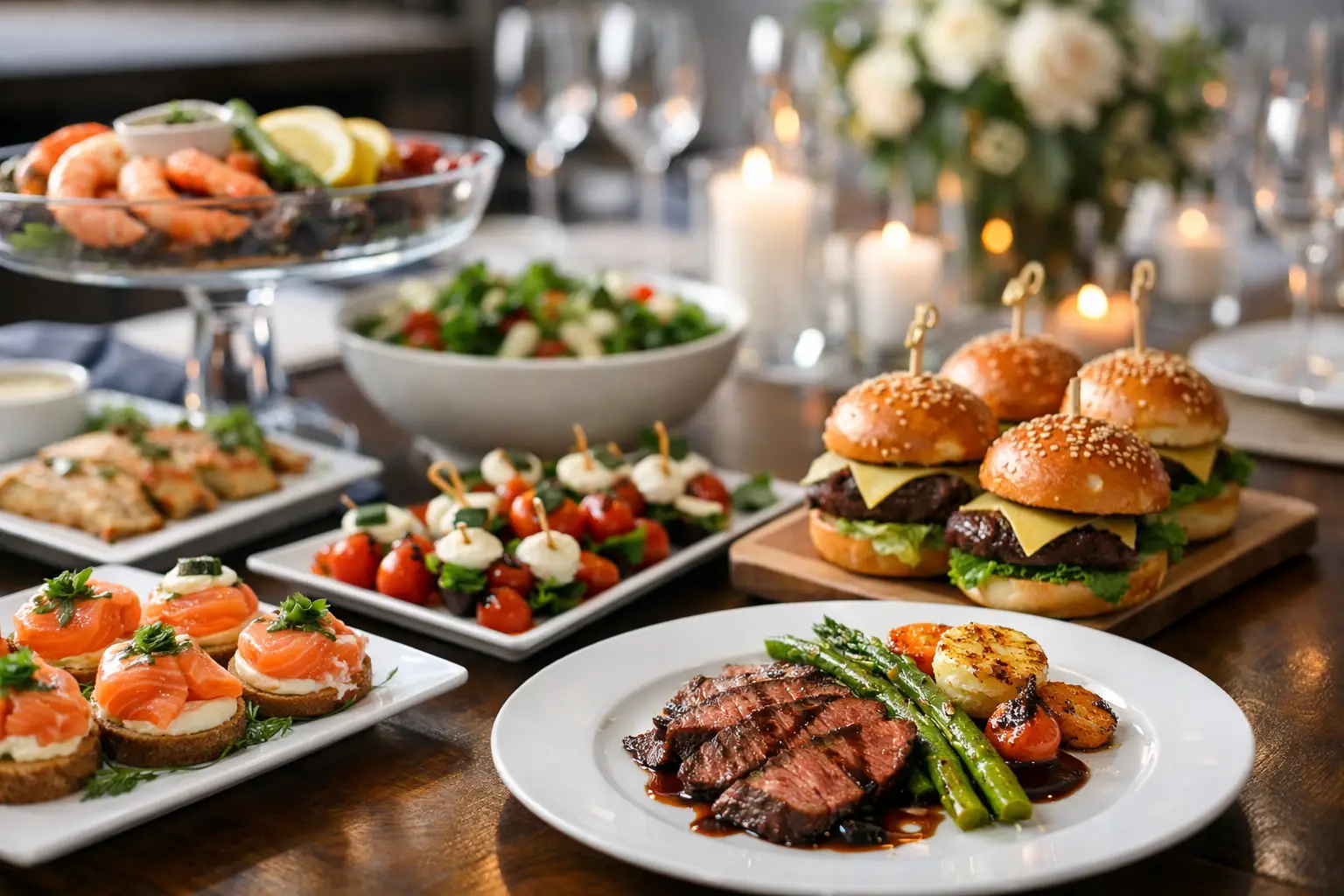
A boardroom breakfast can set the tone before the first agenda item is discussed. A VIP reception can communicate respect before a host says a word. That is why customized catering menus for events deserve more consideration than simply selecting food quantities and delivery times. For organizations hosting important guests, the menu is part of the event experience, the brand impression, and the standard of hospitality.
The strongest catering plans are built around the occasion itself. They account for the guest profile, schedule, venue, service style, dietary needs, and the level of formality expected. A well-chosen menu feels considered without becoming complicated, allowing hosts to focus on their guests rather than operational details.
Why Customized Catering Menus for Events Matter
A standard menu may work for a casual gathering, but formal meetings, institutional functions, conferences, and executive receptions require a more deliberate approach. Guests notice when refreshments fit the setting. They also notice when service is late, portions are impractical, or presentation does not reflect the importance of the occasion.
Customization allows event organizers to match food service to the purpose of the day. A training session that runs from morning through early afternoon may require a substantial breakfast, a timely coffee break, and individually packaged lunch boxes that keep the program moving. An executive reception may call for refined canapés, premium beverages, attentive service staff, and a presentation that supports a distinguished atmosphere.
This is not only about offering more choices. It is about making the right choices. A generous menu with too many competing items can feel unfocused, while a carefully edited selection communicates confidence and care. The best balance depends on the event's duration, guest expectations, and the message the host wants to send.
Start With the Event, Not the Food List
A successful menu begins with practical event questions. Who will attend? How long will they be present? Will guests be seated, standing, moving between sessions, or arriving at different times? Answers to these questions shape every service decision.
For example, a morning leadership meeting benefits from breakfast options that are elegant, easy to serve, and satisfying without being overly heavy. Fresh pastries, hot breakfast selections, fruit, specialty coffee, and juice can create a welcoming start while remaining appropriate for a professional setting.
A full-day conference has different demands. Guests need consistent energy, but meal breaks must also protect the agenda. Coffee breaks should be placed strategically, with snacks that are easy to enjoy during conversation. Lunch menus should offer enough variety for a diverse audience while allowing service to remain organized and punctual.
For an evening reception, presentation often takes a larger role. Passed appetizers, live hospitality stands, curated desserts, and elevated beverage service can encourage natural conversation and give guests a sense of occasion. The menu should feel abundant, but service flow matters just as much as the food itself.
Match the Menu to Guest Expectations
Corporate and government events often bring together guests with varying preferences, backgrounds, and dietary requirements. A customized menu should provide thoughtful variety without treating special requests as an afterthought. Vegetarian choices, lighter options, and clearly managed allergy considerations should be part of the planning conversation from the beginning.
Saudi hospitality also brings a distinctive standard of generosity and welcome. Traditional flavors can be included in a way that feels authentic and polished, alongside familiar international selections where appropriate. The goal is not to create a menu that tries to please everyone with everything. It is to create a balanced offering that makes every guest feel considered.
Build Service Around the Schedule
Even an exceptional menu can lose its impact when timing is poor. Coffee that arrives after a session begins, lunch that interrupts a keynote, or a depleted refreshment station during a busy break can affect the entire guest experience. For high-profile events, dependable timing is a core part of hospitality.
Menu planning should be coordinated with the event agenda. Short breaks call for quick, accessible selections that do not require cutlery or long service lines. Longer networking intervals allow for more substantial offerings and hospitality stands. If guests will be arriving in waves, replenishment plans should reflect that pattern rather than assuming everyone arrives at once.
Individually packaged breakfast boxes and lunch boxes can be especially effective for workshops, site visits, staff meetings, and programs with limited break time. They support speed, portion control, and convenience. However, they may not create the same sense of ceremony as a buffet or staffed service. The right choice depends on whether efficiency or a more formal guest experience is the priority.
Presentation Is Part of the Menu
Food presentation should reinforce the standard of the event. Neat displays, suitable serving ware, clear labels, and attentive staff make a meaningful difference, particularly when hosting senior leaders, clients, delegations, or VIP guests.
For formal receptions, the visual arrangement of a hospitality stand can become part of the setting. For internal meetings, presentation may be more understated, but it should still be polished and orderly. In both cases, a well-managed setup tells guests that their time and comfort have been respected.
This is also where trained service teams add value. Staff should understand the pace of the event, maintain the appearance of stations, and respond professionally to guest needs. Their role is not simply to serve food. It is to protect the quality of the experience from the first arrival to the final departure.
Choose the Right Menu Format
There is no single ideal format for every occasion. The most appropriate option depends on attendance, venue constraints, guest movement, and the desired level of interaction.
Buffet service offers variety and works well for larger groups with enough time and space. It can feel generous and welcoming, though it requires careful planning to avoid queues. Plated service provides a more formal experience and is well suited to executive dinners or select VIP occasions, but it demands precise timing and seating coordination.
Coffee breaks are a practical choice for meetings, seminars, and conferences. They can range from simple coffee and pastries to more substantial snack arrangements with savory and sweet options. For recurring office requirements, rotating menus help maintain interest while providing reliable, familiar service standards.
Hospitality stands create a focal point for receptions and premium gatherings. They are particularly effective when the host wants food service to feel interactive and memorable. Because they require more space, setup, and staffing, they are best selected when the venue and event schedule can support them properly.
A Better Brief Produces a Better Catering Experience
Event organizers can improve results by sharing a complete brief early. Beyond the guest count and date, a catering partner should understand the event objective, venue access details, timing, expected guest profile, preferred cuisine direction, budget parameters, and any special service requirements.
It is also useful to identify the non-negotiables. Perhaps the event must begin exactly at 9:00 a.m., a CEO has a specific dietary requirement, or the room needs to be reset between sessions. These details influence menu design and service planning more than many hosts realize.
A premium catering partner should respond with recommendations, not just a price list. That includes advising when a menu is too heavy for the schedule, when a boxed format would be more practical, or when additional staff would improve the guest experience. Clear communication before the event reduces pressure on the organizing team during it.
Catering Dor approaches each occasion with this level of operational care, combining customized menus with professional service, refined presentation, and reliable execution across Saudi Arabia.
Make Hospitality Feel Intentional
The most memorable event menus do not rely on excess. They feel appropriate, generous, and well managed. Guests should leave with the impression that every detail had a purpose, from the first coffee service to the final refreshment tray.
When planning your next meeting, conference, reception, or private occasion, treat the menu as an extension of your organization’s hospitality standards. A thoughtful catering plan gives guests more than a meal. It gives them a reason to feel welcomed, valued, and confident in the event they were invited to attend.