كاترينج مناسبات for Events That Set the Right Tone
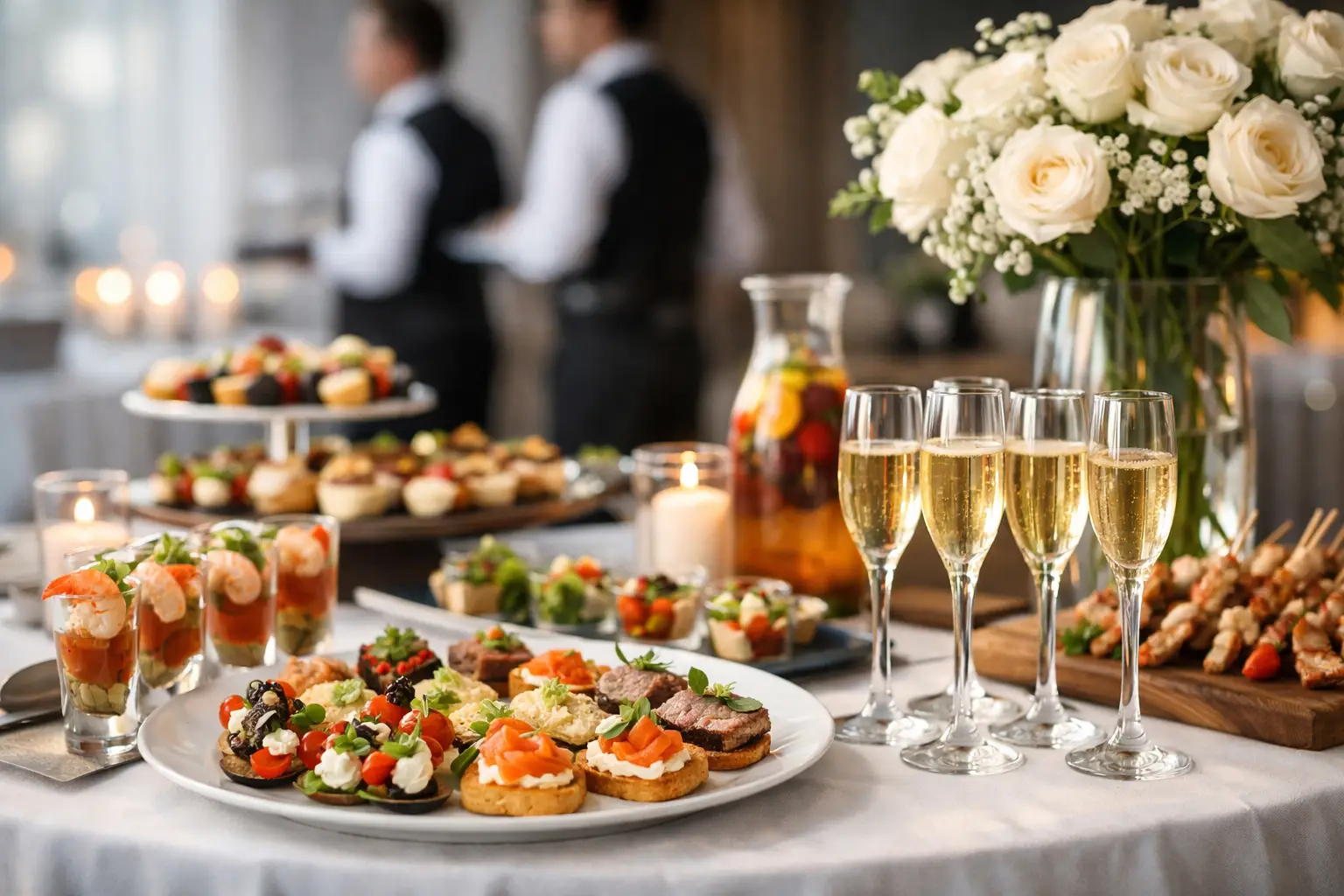
A successful event is often judged before the first presentation begins. Guests notice whether refreshments are ready, whether the service team is attentive, and whether every detail reflects the standard of the host. That is why كاترينج مناسبات, or event catering, should be treated as a core part of event planning rather than a final food order.
For corporate gatherings, government functions, executive meetings, and premium private occasions across Saudi Arabia, catering has a direct effect on comfort, reputation, and the overall guest experience. The right partner brings more than well-prepared food. They bring structure, timing, professional presentation, and hospitality that makes hosts feel confident.
What Defines Professional كاترينج مناسبات
Professional event catering is designed around the occasion, the guests, and the environment. A coffee break for a board meeting requires a different approach from a conference lunch, a VIP reception, or a staff appreciation event. Menus, portions, serving style, and staffing should all support the purpose of the gathering.
At a formal business event, the catering setup should feel composed and intentional. Guests should be able to move through the service area easily, find suitable options, and return to the program without delay. At a private reception, the emphasis may shift toward a warmer sense of welcome, refined display, and menu selections that reflect the host’s preferences.
This is where a managed catering service becomes valuable. It coordinates the details that can otherwise create pressure for an office administrator, executive assistant, or event coordinator: delivery windows, equipment, setup, replenishment, service staff, and clearing. The objective is simple: hospitality should feel effortless to the guest and dependable to the host.
Start With the Event, Not the Menu
A menu is only one decision in a larger hospitality plan. Before selecting breakfast items, canapés, or lunch dishes, define what the event needs to accomplish. Is the goal to welcome visitors, support a focused working session, recognize employees, or host senior guests? The answer guides every catering decision that follows.
A short morning meeting may call for premium coffee, tea, fresh pastries, fruit, and light breakfast selections that are easy to enjoy without interrupting discussion. A full-day workshop needs more substantial pacing, often including a coffee break, lunch, and a later refreshment service. An evening reception may benefit from elegant passed bites or a carefully arranged hospitality stand that encourages conversation.
Guest profile matters just as much. Consider the number of attendees, dietary requirements, cultural preferences, age range, and whether guests are arriving from travel. A menu that works well for an internal team may not be appropriate for VIPs, external partners, or a formal institutional gathering. Customization is not an extra detail in premium catering. It is part of meeting the host’s responsibility to every guest.
Match the Service Style to the Setting
The most appropriate service style depends on space, schedule, and formality. Individually packaged breakfast boxes or lunch boxes can be highly effective for training sessions, off-site programs, and events with limited break times. They offer portion control, reduce queues, and help maintain an organized flow.
Buffet service suits larger groups when the venue allows comfortable movement and the agenda includes a defined meal break. It provides variety and can create a welcoming focal point, but it requires thoughtful layout, clear labeling, and regular replenishment. For executive receptions or ceremonial occasions, staffed hospitality stands and passed service may better reflect the level of attention expected by guests.
There is no single best choice. A more elaborate setup can strengthen the occasion, but only when it supports the venue and event format. In a compact meeting room, an oversized buffet may feel crowded. In a large conference setting, a small self-service station may create delays. Good catering planning balances visual impact with practical guest movement.
The Details Guests Remember
Guests may not remember every dish by name, but they remember how the service made them feel. Freshness, temperature, cleanliness, and presentation are immediate signals of quality. So are the smaller operational details: whether coffee is replenished promptly, whether service areas remain tidy, and whether staff respond courteously without disrupting the event.
Timing deserves particular attention. Food that arrives early may lose its intended quality. Food that arrives late can affect the program and place the organizer in an uncomfortable position. For organizations hosting clients, senior leaders, or public-sector stakeholders, punctuality is a reflection of professionalism.
Presentation also communicates the host’s standards. Serving ware, display design, signage, uniforms, and table arrangement should feel aligned with the event. A premium hospitality experience does not need to be excessive. It needs to be polished, consistent, and appropriate to the setting.
Build a Menu That Serves the Agenda
The strongest menus are easy for guests to enjoy and easy for event organizers to manage. For daytime corporate events, balance familiar favorites with enough variety to accommodate different preferences. Fresh breakfast options, quality pastries, savory selections, fruit, and specialty coffee can create an inviting start without making the service feel heavy.
Lunch menus should provide satisfaction without slowing down the afternoon. This often means offering a considered mix of proteins, grains, vegetables, salads, and desserts, with vegetarian and dietary-conscious options planned in advance. For a short break, lighter snack selections may be more suitable than a full meal.
Saudi hospitality adds another meaningful dimension. Authentic flavors, generous welcome, and thoughtful service can give a corporate event a sense of place while still meeting modern business expectations. The most successful menus respect local traditions while maintaining the consistency, hygiene, and presentation required for formal occasions.
When requesting a proposal, provide the event date, venue, guest count, schedule, service format, and any dietary requirements. It is also helpful to share the type of attendees and the tone of the event. These details allow the catering team to recommend a package that fits the occasion rather than offering a generic menu.
Choose Reliability Over Convenience Alone
Selecting a catering provider based only on price or a short menu list can create avoidable risk. For important occasions, assess the provider’s ability to execute under real event conditions. Can they coordinate with the venue? Do they have trained service staff? Can they adjust the menu and setup for executive guests, recurring office needs, or large attendee numbers? Is their process clear from quotation through service completion?
A dependable partner should be comfortable asking detailed questions. This is not unnecessary complexity. It is how they protect the event from missed requirements, unsuitable portions, unclear setup expectations, and last-minute surprises.
Catering Dor approaches hospitality as a managed service, combining tailored menus with trained teams, punctual delivery, and polished presentation for organizations and hosts who cannot leave the guest experience to chance. Whether the requirement is a coffee break, breakfast service, lunch boxes, or a VIP hospitality stand, the standard should remain consistent.
Plan Early, Then Confirm the Final Details
Early planning gives organizers more choice and reduces pressure. It allows time to shape the menu, review venue access, coordinate service timing, and prepare for special guest needs. For major conferences, institutional functions, and peak event periods, earlier confirmation is especially valuable.
Closer to the event, reconfirm the final guest count, room layout, delivery access, contact person, and schedule. If the agenda changes, communicate it promptly. A catering team can often adapt, but advance notice gives them the best opportunity to preserve quality.
Hospitality is one of the clearest ways an organization shows respect for its guests. When catering is planned with the same care as the agenda and venue, every refreshment break becomes an opportunity to reinforce confidence, welcome, and the standards behind the occasion.