How to Plan Meeting Refreshments That Impress
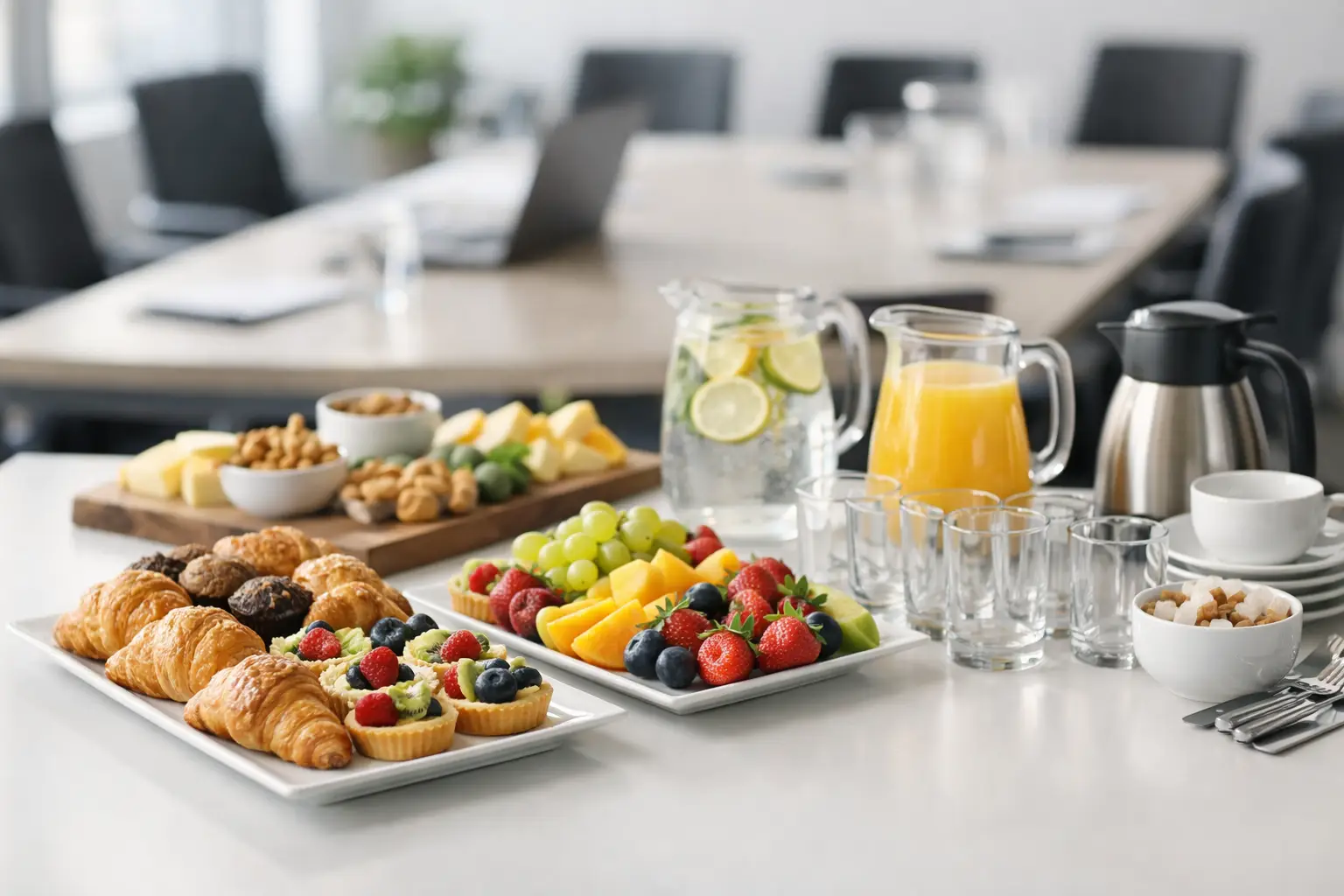
A meeting can lose momentum in a matter of minutes when coffee arrives late, refreshments feel like an afterthought, or guests are left searching for a suitable option. Knowing how to plan meeting refreshments is therefore not simply an administrative task. It is part of creating an organized, considerate environment where participants can focus, engage, and make decisions with confidence.
For executive briefings, client presentations, board meetings, and institutional gatherings, refreshments quietly communicate the standard of the organization hosting them. The menu, timing, presentation, and service style should all feel intentional. A well-managed refreshment plan supports the agenda without competing with it.
Begin With the Purpose of the Meeting
The right menu begins with the meeting itself. A short internal planning session has different needs from a half-day strategy workshop, a VIP reception, or a formal client negotiation. Before selecting food, consider what guests are expected to do, how long they will be present, and when refreshments will be served.
A 9:00 a.m. leadership meeting may call for specialty coffee, tea, fresh pastries, fruit, and light savory breakfast selections. A midday workshop requires more sustaining choices, particularly when participants will be working through lunch. For an afternoon client presentation, an elegant coffee break with premium sweets and savory bites may be more appropriate than a full meal.
The meeting format also determines how food should be served. Boardroom gatherings often benefit from discreet table service or a refined side station that keeps the room orderly. Larger conferences may require clearly arranged buffet stations or individually packaged boxes to keep breaks efficient. The goal is always the same: guests should be able to refresh themselves easily and return to the agenda on time.
Match the Menu to the Meeting Duration
For meetings under 90 minutes, coffee, tea, water, and a small selection of light bites are often sufficient. Providing a heavy spread for a brief discussion can create unnecessary interruption and waste.
For sessions lasting two to four hours, plan a scheduled coffee break with both sweet and savory options. If the meeting extends across a meal period, offer breakfast, lunch, or well-composed meal boxes rather than expecting guests to continue on light snacks alone. Attendees who are hungry will notice, and so will the meeting chair.
How to Plan Meeting Refreshments Around Your Guests
Guest profile should guide every decision. Consider the number of attendees, seniority level, cultural expectations, dietary requirements, and whether external guests are present. A menu that works for a routine team meeting may not reflect the right level of care for visiting executives, government representatives, or prospective clients.
Start with an accurate headcount, then confirm whether the group includes VIPs, international guests, or participants with specific dietary needs. It is best to collect this information early, particularly for events with formal invitations. Last-minute dietary adjustments are possible in some cases, but early planning allows for a more polished result.
A premium refreshment offering should provide real choice without becoming excessive. Include familiar, high-quality items alongside thoughtful options for guests who may prefer lighter, vegetarian, or allergen-conscious selections. Clear, tasteful labeling is especially valuable at larger meetings. It demonstrates consideration while helping service move quickly.
Where appropriate, account for the following requirements:
- Vegetarian and vegan selections
- Gluten-conscious options
- Dairy-free choices
- Nut and allergen awareness
- Lower-sugar or lighter alternatives
Dietary planning should never make guests feel singled out. The strongest menus integrate these choices naturally, so every attendee can select something appealing from the same well-presented offering.
Build a Menu With Balance and Variety
Meeting refreshments should feel satisfying, not distracting. A useful approach is to combine beverages, a light savory element, a sweet item, and a fresh option. This creates variety while avoiding a table filled entirely with pastries or overly rich food.
For breakfast meetings, consider fresh bakery items, mini sandwiches, egg selections, fruit, yogurt, and quality coffee service. If the meeting begins early but runs toward midday, add more substantial savory choices to prevent an energy dip before lunch.
Coffee breaks work best when they offer a concise and appealing selection. Freshly brewed coffee, premium tea, chilled water, juices, mini desserts, dates, fruit, and savory canapés are suitable for many professional settings. A carefully chosen local or seasonal touch can add distinction, provided it remains easy to serve and enjoy within a limited break.
Lunch should be planned with the afternoon agenda in mind. Very heavy meals can slow a group down, especially when discussion continues immediately afterward. Balanced lunch boxes or buffet menus with protein, grains, vegetables, and a light dessert allow guests to feel properly hosted without compromising the pace of the day.
Do Not Overlook Beverage Service
Beverages are often the most frequently used part of a meeting refreshment setup. Coffee should be fresh, replenished consistently, and accompanied by appropriate milk and sweetener options. Tea service deserves the same attention, particularly in environments where tea is a central part of hospitality.
Provide water throughout the meeting, not only during scheduled breaks. For longer sessions, juice, infused water, or other non-caffeinated options can add welcome variety. If the meeting includes senior guests or a formal reception, beverage presentation should be as polished as the food itself.
Set Timing and Quantities With Precision
Excellent refreshments served at the wrong time still create a poor experience. Build service timing into the agenda from the beginning. If the first break is scheduled for 10:30 a.m., the station should be fully ready before guests arrive, not assembled while they are waiting.
For a formal meeting, allow enough time for guests to enjoy the offering without feeling rushed. A 15-minute break may be suitable for coffee and light bites, while a lunch period generally requires at least 30 to 45 minutes, depending on group size and service format.
Quantity planning requires judgment. Ordering exactly one item per guest may be appropriate for boxed meals, but it is usually too restrictive for a shared coffee break. Guests have different appetites, and some offerings will be more popular than others. A professional catering partner can help estimate sensible quantities based on meeting length, attendance profile, menu composition, and service style.
It is equally wise to avoid over-ordering. Excess food can undermine budget discipline and create unnecessary waste. The right balance comes from realistic attendance information, a menu built for the occasion, and an experienced service team that understands event flow.
Treat Presentation as Part of the Hospitality Experience
In a corporate environment, presentation is never separate from perception. A refreshment station should look composed, clean, and proportionate to the room. Crooked labels, empty coffee pots, mismatched serving pieces, or crowded tables can make even excellent food appear less considered.
Choose a setup that complements the meeting environment. For a boardroom, this may mean restrained tableware, neatly arranged platters, and discreet service. For a conference, it may involve multiple stations to prevent lines and maintain movement. For VIP hospitality, the details matter even more: premium serving pieces, attentive staff, and an arrangement that conveys warmth without becoming overly ornate.
Service staff should be briefed on the schedule, room layout, guest profile, and expected level of interaction. Their role is to keep the experience running smoothly, replenish items before they run low, and respond with professionalism when a guest needs assistance. This is where reliable hospitality becomes visible.
Plan for the Details That Protect the Agenda
The most successful refreshment plans anticipate practical issues before the meeting begins. Confirm delivery access, setup times, building requirements, power needs for hot beverage equipment, waste removal, and the location of the service area. In busy offices and institutions, these details can determine whether the setup feels effortless or disruptive.
If confidentiality is important, arrange catering setup before guests arrive and position service away from sensitive materials or discussion areas. If the agenda is tightly timed, choose food that can be eaten neatly while standing or during a brief break. Saucy dishes, complicated plating, and items requiring cutlery may be excellent in the right setting, but they are not always suitable for a fast-moving business session.
For recurring meetings, keep notes after each event. Which items were most appreciated? Did the quantity feel right? Were dietary needs fully addressed? This information turns future planning into a more efficient and consistent process.
A trusted hospitality partner such as Catering Dor can bring this planning together through customized menus, trained service teams, and dependable execution. The value is not only in the food provided, but in the confidence that every detail will support the host's standards.
When refreshments are planned with the same care as the agenda, guests feel welcomed from the moment they arrive. That sense of consideration creates the right setting for productive conversation, stronger relationships, and meetings that reflect well on everyone in the room.