كاترينج حفلات for Events That Reflect Your Standards
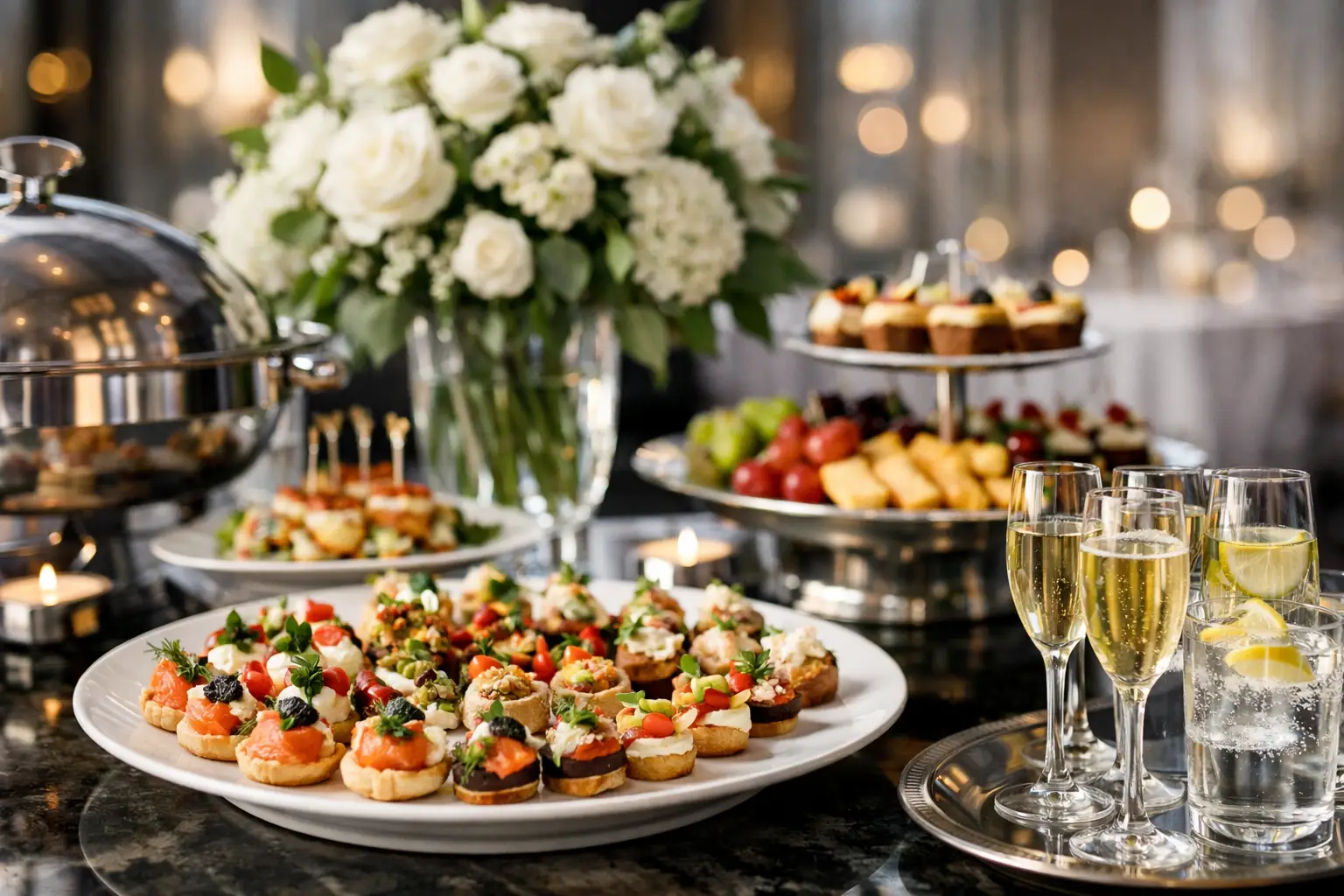
A catered event is often judged before the first guest takes a bite. The welcome table, the condition of the coffee, the readiness of the service team, and the timing of each course all communicate how seriously the host values the occasion. That is why choosing كاترينج حفلات is not simply a food decision. For corporate hosts, institutions, and private event organizers, it is a decision about guest confidence, operational control, and reputation.
A premium catering partner brings structure to hospitality. The goal is not to place more food on a table than necessary, but to provide the right menu, presentation, and level of service for the people in the room. A board meeting requires a different approach than a conference, a VIP reception, or a staff appreciation gathering. The strongest results come from catering designed around the event rather than selected from a generic package.
What Distinguished Catering Should Deliver
High-standard event catering starts with an understanding of purpose. Is the event intended to welcome senior guests, support a long working session, recognize employees, or create a memorable social occasion? The answer affects everything from portion formats to service flow.
For a morning meeting, a refined coffee break with fresh pastries, light savory options, fruit, and quality hot beverages can keep the room focused without interrupting the agenda. For an afternoon conference, a more substantial lunch menu may be appropriate, supported by service stations that prevent long queues. VIP hosting may call for a dedicated hospitality stand, elevated presentation, and attentive staff who understand discretion.
Food quality matters, but it is only one part of the experience. Professional catering should also provide consistent temperature control, carefully arranged displays, clean serving areas, and staff who are present when needed without becoming intrusive. These details are especially meaningful when guests include executives, government representatives, clients, or visiting partners.
Planning كاترينج حفلات Around the Event, Not the Menu
The most effective planning conversation begins with the event schedule. A catering provider should know when guests arrive, how long breaks last, whether speeches or presentations are planned, and when the venue will be accessible for setup. A menu that looks excellent on paper can fail if it is served too early, placed too far from attendees, or requires more time to enjoy than the agenda allows.
Guest profile is equally important. Consider the number of attendees, the seniority of invited guests, cultural preferences, dietary requirements, and whether people will be seated or moving through the venue. A formal executive lunch benefits from a calm, coordinated service style. A large internal gathering may be better served by efficient buffet stations or individually prepared lunch boxes that reduce waiting time.
Customization should be practical, not decorative. It means selecting items that suit the setting, adjusting quantities to the event duration, and accounting for dietary needs before they become last-minute issues. For example, breakfast boxes can be ideal for early training sessions or off-site teams, while a composed buffet is often better suited to a client-facing event where guests have time to connect.
Match Service Style to Guest Expectations
There is no single right format for every event. Plated service offers a formal experience and controlled presentation, but it requires a clear seating plan, appropriate venue capacity, and more coordinated timing. Buffet service creates variety and flexibility, although it must be designed to keep traffic moving and food presentation fresh.
Coffee breaks are often underestimated. A well-managed break gives attendees a chance to reset, network, and return to the program on time. The difference lies in the details: replenished beverages, sensible portion sizes, a balanced mix of sweet and savory selections, and a layout that supports smooth movement.
Boxed catering provides another useful option for organizations that need speed, cleanliness, or distributed service. It is particularly effective for workshops, field teams, training sessions, and meetings where guests remain at their seats. However, the boxes should still feel intentional. Quality packaging, fresh ingredients, and a balanced selection protect the premium impression even when the format is highly practical.
The Operational Details Guests Notice
Guests may not see the planning behind an event, but they notice the result. Late delivery, missing equipment, empty beverage stations, or unclear service responsibilities can distract from an otherwise well-organized program. For the event organizer, these issues also create unnecessary pressure at the exact moment attention should be on hosts and attendees.
A dependable catering partner confirms the essentials early: access times, venue rules, loading arrangements, electrical requirements, furniture needs, serving equipment, staffing, and cleanup expectations. This preparation is not an administrative extra. It is what allows hospitality to feel composed when the event is underway.
Timing deserves particular attention. Food should arrive and be presented at the point it is meant to be enjoyed, not simply at the earliest available delivery window. For recurring office catering, consistency is just as valuable. Teams should be able to trust that breakfast, snacks, or lunch will arrive in the expected condition and at the agreed time, even when the order volume changes.
How to Evaluate a Catering Partner
When comparing catering providers, look beyond menu photos and price per person. A polished proposal should show that the provider understands the nature of the occasion and can explain how the service will work in the venue.
Ask how menus are adapted for dietary restrictions and guest preferences. Confirm whether trained service staff are included when the event requires them, and clarify who manages setup and clearing. For higher-profile occasions, it is also reasonable to ask how the provider maintains presentation standards throughout the event rather than only at the initial setup.
The quote should be clear enough to support confident decision-making. It should identify what is included, such as food, beverages, serving equipment, staffing, transportation, and any special setup requirements. The lowest quote is not always the most economical choice if it leaves major elements undefined or requires the host to solve operational gaps independently.
A provider with experience in corporate and institutional hospitality will typically ask better questions before recommending a menu. That is a positive sign. It demonstrates that the team is considering guest movement, service timing, and the standards expected of the host.
Creating a Memorable Saudi Hospitality Experience
In Saudi Arabia, hospitality carries meaning beyond refreshment. It reflects respect for the guest and attention to the occasion. A premium catering experience can honor this tradition while meeting the pace and precision of modern corporate events.
This balance may include familiar flavors presented with contemporary refinement, generous coffee service, thoughtfully selected sweets, and service etiquette that makes guests feel welcomed without delay. For international visitors, these touches can create an authentic sense of place. For local guests, they reinforce the care and standards associated with a well-hosted occasion.
Presentation should align with the organization’s identity as well. A technology company’s leadership meeting may call for clean, modern simplicity, while a formal reception may require a more elevated hospitality display. The right catering partner can adapt the visual language, menu style, and service format without losing consistency in quality.
A Better Way to Prepare for Your Next Event
Begin planning catering as soon as the event framework is set, particularly for conferences, VIP functions, and occasions with complex venue requirements. Share the agenda, guest estimate, location, and desired service level early. This gives the catering team room to recommend the most suitable format rather than forcing a solution around late changes.
It also helps to identify the one impression guests should leave with. Perhaps it is that the organization was prepared, generous, precise, or distinctly welcoming. That impression becomes a useful standard for every catering decision, from the first coffee service to the final clearing of the room.
For events where every interaction represents the host, Catering Dor approaches hospitality with tailored menus, trained service teams, dependable execution, and the polished presentation expected by organizations across Saudi Arabia. The best catered event does not compete with the occasion. It supports it quietly, confidently, and with the kind of care guests remember long after the tables are cleared.