Lunch Boxes for Corporate Events That Impress
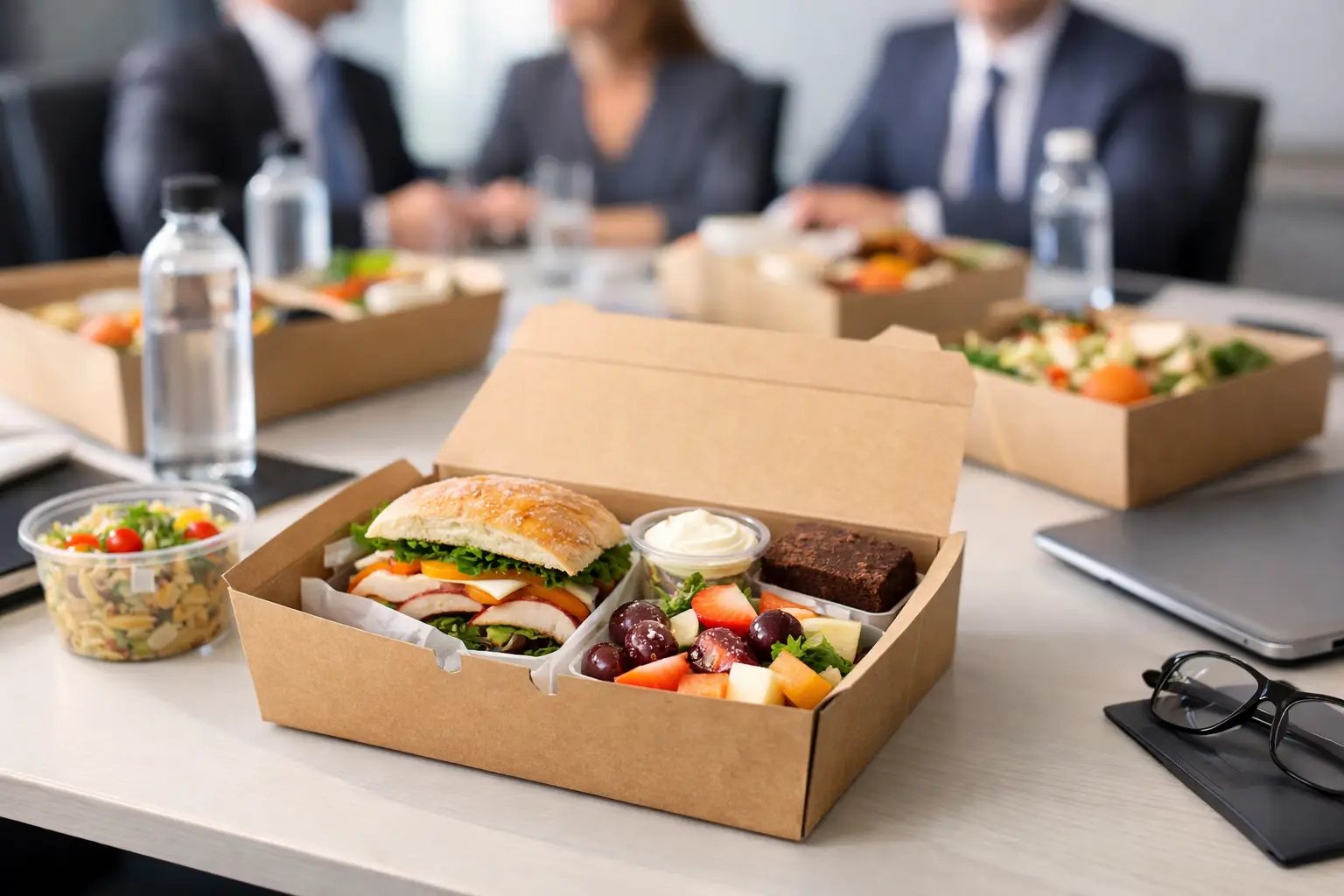
A conference agenda can be perfectly timed, the speaker list can be exceptional, and the venue can look impeccable. Yet a delayed, inconvenient, or poorly presented lunch can change the room’s energy in minutes. Lunch boxes for corporate events are not simply a practical meal option. When planned well, they protect the schedule, respect guests’ time, and reflect the standards of the organization hosting them.
For executive meetings, training days, government functions, and large-scale conferences, the right lunch box combines quality food with disciplined execution. It gives every attendee a complete meal without the disruption of a buffet line, while allowing organizers to maintain a polished and consistent hospitality experience.
Why lunch boxes suit corporate events
The strongest case for boxed lunches is operational. A seated lunch or buffet can be appropriate for formal receptions and longer programs, but it requires space, staffing, service time, and a schedule that allows guests to move through the experience. A professionally prepared lunch box keeps the break contained. Attendees can receive their meal quickly, eat where appropriate, and return to the program without unnecessary delays.
This matters particularly when an event includes multiple sessions, limited venue access, or guests arriving at different times. Lunch boxes can be distributed in meeting rooms, at registration points, in break areas, or directly to designated seating. For organizations managing several hundred attendees, that predictability is often more valuable than a broad but difficult-to-manage buffet.
There is also a guest-experience advantage. Each attendee receives the same considered meal, presented with care and clearly identified. There is less uncertainty around portions and availability, and guests with dietary requirements can be accommodated more discreetly. The result feels organized rather than rushed.
What makes lunch boxes for corporate events successful
A corporate lunch box should feel complete from the moment it is opened. It needs enough variety to satisfy guests, but not so many elements that it becomes impractical to eat during a limited break. The menu should travel well, retain its quality, and make sense for the setting.
A balanced format often includes a main course, a fresh side or salad, a dessert or fruit component, and appropriate beverages or refreshments. The main course should be substantial but easy to manage without a full table setting. Grilled proteins, carefully prepared sandwiches, wraps, rice-based dishes, and composed salads can all work well when selected for the event’s timing and venue conditions.
Presentation carries equal weight. Premium packaging should protect temperature and texture while looking appropriate in an executive environment. Clean labeling, neatly arranged contents, quality cutlery, napkins, and small details such as a hand wipe create a more considerate experience. A lunch box does not need to be elaborate to feel elevated. It needs to be intentional.
Menu choices should match the event format
A board meeting with senior leaders calls for a different approach than a full-day employee training program. For executive audiences, refined individual meals with premium ingredients and restrained presentation may be the right choice. For workshops, practical and energizing options that are easy to eat between sessions may serve guests better.
Timing also affects the menu. A lunch served after a morning conference session can be more substantial, while a meal scheduled before an afternoon of presentations should avoid overly heavy selections. The goal is to leave guests satisfied and comfortable, not distracted by a meal that is difficult to eat or likely to cause an afternoon slowdown.
Local hospitality expectations deserve careful attention as well. In Saudi Arabia, corporate hosts often seek menus that honor authentic flavors while meeting the polished expectations of modern business events. A caterer should be able to balance familiar regional dishes with international selections, creating a menu that feels generous, relevant, and appropriate for a diverse guest list.
Dietary planning cannot be an afterthought
Dietary requirements are one of the clearest reasons to work with an experienced corporate caterer. Vegetarian, vegan, gluten-sensitive, dairy-free, and allergen-aware meals should be planned from the start, not improvised on the day of the event. Guests should never need to search for their meal or ask repeatedly whether it is suitable for them.
Clear, discreet labels help avoid confusion while preserving a professional atmosphere. They also allow organizers to distribute special meals accurately. It is wise to collect dietary details during registration or guest confirmation, then provide the final count to the catering team with enough lead time for precise preparation.
Delivery timing is part of the hospitality
Food quality means little if lunch arrives after the scheduled break has begun. For corporate events, punctuality is a visible part of service. The catering partner should understand the event timeline, venue loading procedures, security requirements, elevator access, parking limitations, and the exact location where meals will be received or distributed.
A strong delivery plan includes a confirmed arrival window, a designated on-site contact, and an agreed distribution method. If boxes are to be placed at individual seats, organized by department, or issued through a collection point, that process should be established before event day. The more detail resolved in advance, the calmer the experience will be for the event team.
Temperature management is equally essential. Cold items must arrive fresh, while hot components need to remain at the intended serving temperature. This is where professional packaging, correct transport procedures, and event-ready coordination make a meaningful difference. The meal should look and taste as it was designed to when the guest receives it.
How to choose the right lunch box provider
Selecting a provider solely by menu price can create avoidable risk. A lower cost may be appropriate for a straightforward internal meal, but important events require a broader assessment of value. Consider whether the provider can customize the menu, deliver at the required scale, present food professionally, and communicate clearly with your event team.
Ask for practical details rather than general promises. How will the meals be labeled? What happens if guest numbers change? Can the provider manage VIP meals separately? Are service staff available if distribution requires assistance? Can packaging support the venue’s sustainability requirements without compromising presentation or food quality?
For organizations hosting high-profile guests, the provider’s ability to represent the host brand is especially important. Every visible element, from the condition of the boxes to the professionalism of delivery staff, contributes to the perception of the event. Catering Dor approaches this work as a hospitality service, pairing customized menus with dependable timing and presentation suited to the occasion.
Avoid common lunch box planning mistakes
One frequent mistake is treating all guests as one group. An all-day seminar may include executives, employees, speakers, sponsors, and VIP visitors with different expectations. A standard lunch box can work for the wider audience, while a more refined selection may be appropriate for a leadership room or hosted guest area. The distinction does not need to be excessive, but it should be deliberate.
Another mistake is choosing foods that are attractive on a menu but unsuitable for individual service. Saucy dishes, fragile garnishes, complicated assembly, or meals requiring significant reheating can lose quality during transport. The best corporate lunch boxes are designed for the realities of delivery and the way guests will actually eat them.
Finally, avoid leaving quantities to the last minute. Confirm the expected attendance, include a sensible contingency for approved additional guests, and communicate changes promptly. Accurate counts reduce waste while helping the caterer maintain consistency across every meal.
A better standard for the midday break
Lunch is often the one part of a business event that every guest remembers in a personal way. It is a pause, a practical necessity, and an opportunity for the host to demonstrate care. When the menu is well judged, the packaging is polished, and delivery is precisely managed, a boxed meal becomes a quiet but powerful expression of professional hospitality.
The best choice is not always the most elaborate one. It is the lunch box that fits the schedule, respects the guest, and arrives with the same level of care your organization expects from every other part of the event.