كاترينج اجتماعات for Executive Business Events
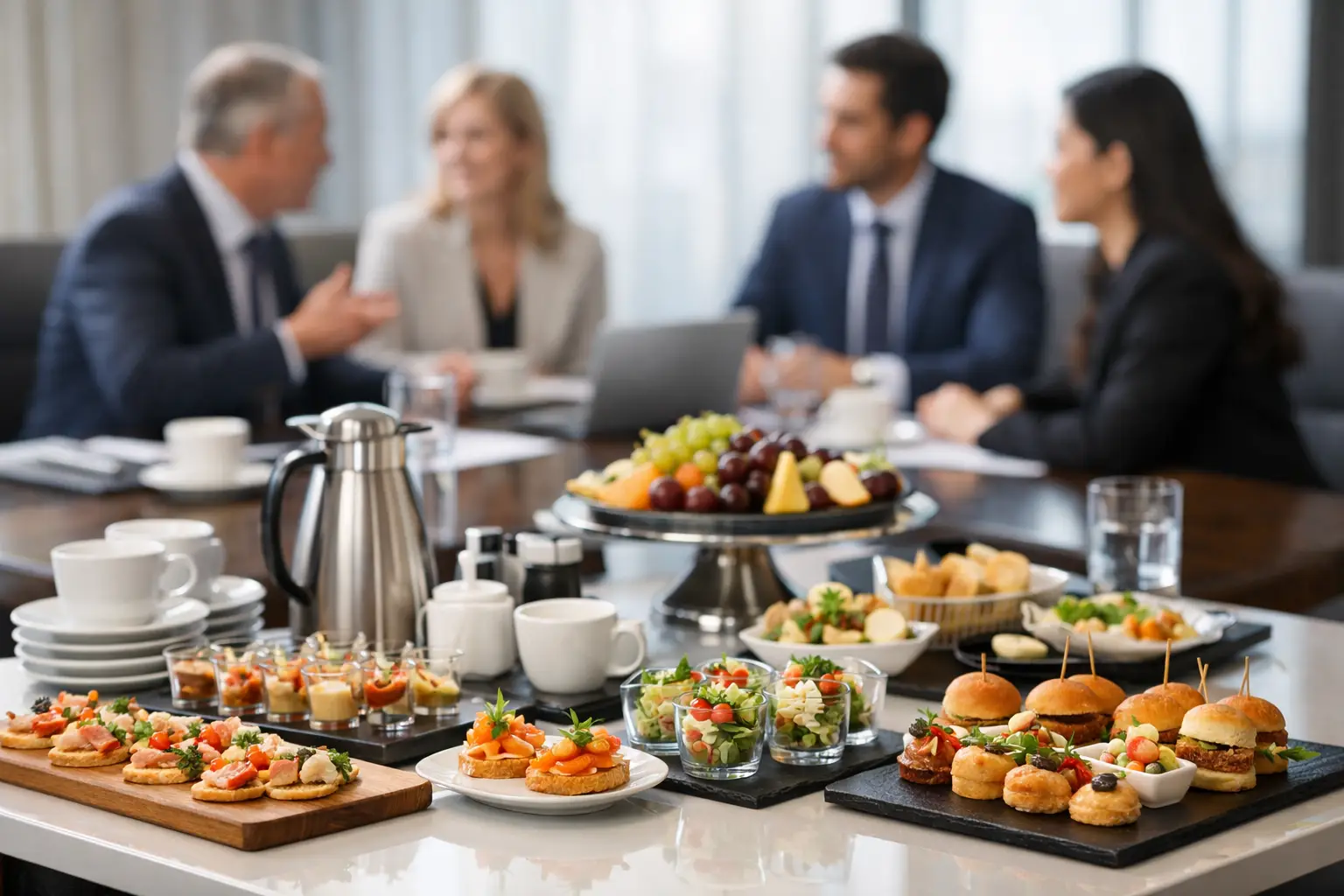
A meeting can be perfectly prepared on paper and still lose momentum at the refreshment table. Cold coffee, late deliveries, limited dietary choices, or an untidy setup quickly signal that the guest experience was treated as an afterthought. For organizations searching for كاترينج اجتماعات, the right service is not simply about providing food. It is about protecting the pace, reputation, and professionalism of the occasion.
Whether the agenda involves a board meeting, training session, government gathering, client presentation, or executive reception, catering should support the purpose of the room. Every item, from the first coffee service to a boxed lunch, should arrive at the right time, look appropriate for the setting, and make guests feel considered.
What Professional Meeting Catering Should Deliver
Meeting catering has a different role from social-event dining. Guests often have limited breaks, varied schedules, and little patience for a complicated service process. The best approach combines quality cuisine with thoughtful operational planning.
Punctuality comes first. Coffee breaks must be ready before the room pauses, not while attendees are already waiting. Lunch service must fit the agenda, particularly when sessions are scheduled tightly or senior guests have limited availability. A dependable catering partner confirms the event timeline, access requirements, service location, guest count, and setup details well in advance.
Presentation matters just as much. A conference room, executive office, or VIP reception area benefits from a clean, composed display that reflects the standards of the host organization. Professional serving equipment, clear menu labels, attentive staff, and orderly replenishment create a hospitality experience that feels intentional rather than improvised.
Finally, the menu must be practical. Meeting guests need food that is easy to enjoy within the available time and suitable for a professional environment. This does not mean the menu should be ordinary. It means quality and convenience must work together.
Choosing the Right كاترينج اجتماعات Format
There is no single catering format that fits every meeting. The right choice depends on the meeting length, level of formality, venue, attendee profile, and schedule. A morning workshop requires something different from a senior leadership session or an all-day conference.
Coffee breaks that keep the day moving
For shorter meetings or sessions with scheduled pauses, a refined coffee break is often the most effective option. Fresh coffee, tea, water, juices, and a balanced selection of sweet and savory bites give attendees a welcome reset without slowing the program.
The strongest coffee-break menus offer variety without excess. Light pastries may work well for an early gathering, while savory canapés, mini sandwiches, dates, fruit, and premium desserts are better suited to a mid-morning or afternoon break. For important guest groups, a hospitality stand can elevate the setting through a more curated presentation and dedicated service.
Breakfast service for early meetings
Breakfast meetings require special attention because guests arrive with different expectations. Some may want a light start, while others need a more substantial meal before a long working session. A well-planned breakfast menu can include bakery selections, fresh fruit, yogurt, egg dishes, traditional Saudi favorites, and hot beverages.
The choice between buffet service and individual breakfast boxes depends on the venue and agenda. A buffet encourages informal conversation and works well for internal gatherings with sufficient space. Individual boxes are more efficient for training rooms, early executive sessions, or meetings where guests must remain seated and focused.
Lunch menus for formal and extended sessions
Lunch is often the most visible meal of the day, particularly during conferences, client meetings, and institutional functions. The service should feel generous but measured. Heavy dishes may be appropriate for a formal hosted lunch, yet they can be less suitable when attendees need to return quickly to presentations or workshops.
A balanced lunch menu generally pairs a quality main course with fresh salads, appropriate sides, bread, and a thoughtful dessert. Menu selection should consider seasonality, local preferences, dietary needs, and the practicalities of serving at the venue. In some settings, plated dining conveys the right level of formality. In others, premium lunch boxes offer better timing, portion control, and convenience.
VIP hospitality for high-stakes guests
When senior executives, government representatives, key clients, or visiting delegations are attending, hospitality becomes part of the host organization’s message. The menu, table styling, and service conduct should reflect the importance of the guests without becoming distracting.
VIP service benefits from advance coordination. Guest preferences, cultural considerations, dietary requirements, room access, security procedures, and the desired level of service should be confirmed early. The goal is quiet excellence: attentive staff, elegant presentation, and a hosted experience that feels personal and fully under control.
Menu Planning That Respects Every Guest
A polished menu is not necessarily the most elaborate one. It is the one that makes sense for the audience and occasion. Corporate and institutional meetings often bring together guests with different dietary preferences, health considerations, and cultural expectations. Planning for those needs is a mark of professional hospitality.
Vegetarian, vegan, gluten-conscious, and lighter options should be considered from the start rather than added at the last minute. Clearly identifying dishes helps guests choose confidently and reduces pressure on event staff during busy breaks. It is also wise to ensure that alternative meals receive the same care in presentation and quality as the main menu.
Local hospitality can bring genuine distinction to a meeting. Saudi coffee, dates, and familiar regional flavors can make a welcome feel more authentic, especially for visiting guests. The key is balance. A menu can honor local tradition while still meeting the expectations of an international corporate audience.
The Details That Prevent Service Problems
Most catering challenges are not caused by the food itself. They come from missing event details: an inaccurate attendee count, unclear access instructions, a break that changes without notice, or a venue with limited serving space. These details are manageable when the catering team is included in planning early.
Before confirming service, provide the meeting schedule, expected guest count, venue address, room layout, parking or loading instructions, and the name of the on-site contact. If the event includes several breaks, clarify whether food should be refreshed continuously or presented at specific times. For recurring office requirements, establish a consistent ordering process and menu rotation so quality remains dependable without making each request unnecessarily complex.
It also helps to discuss the level of staffing required. A small internal meeting may only need a professionally arranged delivery. A larger conference, executive reception, or VIP gathering may require trained service staff to manage setup, replenishment, guest assistance, and final clearing. The appropriate choice depends on the event, but understaffing a formal occasion can undermine even an excellent menu.
How to Evaluate a Catering Partner
Price matters, but the lowest quote does not always represent the best value. For business events, the real question is whether the provider can deliver consistently under the conditions of your event. A strong catering partner listens carefully, recommends an appropriate format, and communicates clearly about what is included.
Look for menu flexibility, demonstrated timing discipline, professional presentation standards, and experience with formal business environments. Ask how dietary requests are managed, whether service staff are available, and how the team handles changes in guest count or schedule. The answers reveal more about reliability than a menu description alone.
Catering Dor approaches meetings as managed hospitality occasions, with customized menus, polished service options, and careful attention to the operational details that corporate clients depend on. This is particularly valuable when the event reflects directly on the host organization’s leadership, culture, or client relationships.
A Better Standard for Every Meeting
The most successful meeting catering is almost invisible in the best way. Guests find what they need when they need it, the room remains orderly, and the food adds energy and warmth without competing with the agenda. That level of service comes from preparation, not chance.
When planning your next meeting, begin with the experience you want attendees to remember: welcomed, respected, and confident in the organization hosting them. The catering plan should be built to deliver exactly that.