بوفيه شركات for Corporate Events That Matter
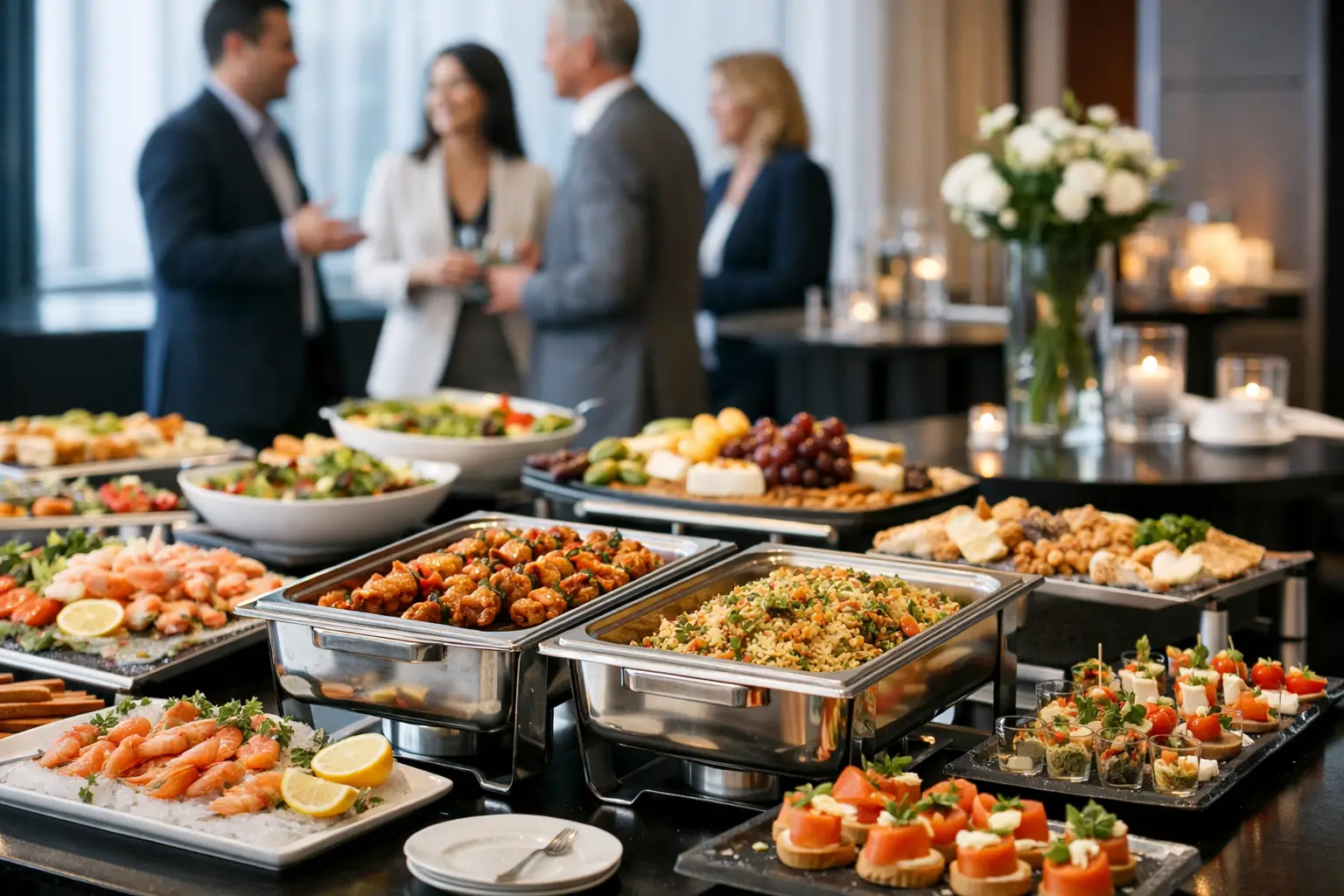
A بوفيه شركات is more than a meal arranged between agenda items. In a board meeting, a government reception, or a conference with visiting executives, the food service becomes part of the organization’s standard of hospitality. Guests notice whether coffee arrives before the session begins, whether the buffet is presented with care, and whether every detail supports the occasion rather than interrupting it.
For companies and institutions, the right catering partner turns this responsibility into a well-managed experience. The objective is not simply to provide food in volume. It is to create a setting that reflects professionalism, respects guests’ time, and gives organizers confidence from setup through final service.
What a Corporate Buffet Must Deliver
Corporate hospitality has different requirements from casual dining or standard food delivery. It must accommodate schedules, venue conditions, attendee profiles, dietary needs, and the level of formality expected by the host. A breakfast buffet for an internal training session needs a different rhythm than a VIP lunch for senior guests, yet both require consistency and discipline.
The strongest corporate buffet service begins with menu planning that fits the event. Morning meetings may call for fresh pastries, hot breakfast selections, fruit, specialty coffee, and lighter options that keep attendees comfortable and focused. Midday events often require balanced lunch menus with familiar favorites, refined Saudi dishes, salads, sides, and desserts that can be served efficiently without feeling routine.
Presentation matters just as much. Serving stations should look composed and appropriate to the venue, with clear organization, carefully selected tableware, and replenishment that keeps the display inviting throughout the event. For an executive audience, this level of detail signals respect before the first plate is served.
Choosing a بوفيه شركات for the Occasion
The best format depends on the event’s purpose, guest count, timing, and degree of formality. A buffet is especially effective when guests need variety and flexibility, or when the program allows attendees to dine in waves. It can also support networking by creating a natural, well-organized space for conversation.
For a compact meeting with a fixed agenda, individually prepared breakfast boxes or lunch boxes may be more practical. They reduce movement in the room and help keep the schedule tightly controlled. For a larger gathering, an attended buffet or hospitality station adds a stronger sense of occasion while allowing guests to choose from a wider menu.
Coffee breaks deserve the same planning. They are often brief, but they influence the energy of the entire program. Fresh coffee, tea, chilled beverages, savory snacks, and elegant sweets should be ready at the exact transition point. A late coffee break creates a visible disruption. A well-timed one helps the event continue with momentum.
Match the Menu to Your Guests
A thoughtful menu balances recognition with variety. Corporate guests may include local teams, international visitors, senior leaders, and guests with specific dietary preferences. The menu should be generous without becoming unnecessarily complicated.
Traditional Saudi hospitality can bring distinction to the experience, particularly when it is delivered with polish and care. At the same time, international selections may be appropriate for mixed audiences or multi-day conferences. The right approach is not always the largest menu. It is the menu that feels considered, fresh, and suitable for the people in the room.
Dietary requirements should be addressed early rather than added as an afterthought. Vegetarian options, lighter choices, allergen-aware preparations, and clearly separated selections show that the host has planned for every guest. This is especially important at formal events, where a guest should never have to ask whether there is something suitable to eat.
Timing Is a Core Part of Hospitality
In corporate catering, timing is an operational promise. Food prepared to a high standard loses impact if it arrives after the meeting begins or if service staff are still setting up while guests enter the room. Reliable execution requires a detailed understanding of access times, elevator availability, security procedures, venue rules, and the event agenda.
A professional catering team confirms these details before event day. It plans delivery and setup around the organizer’s schedule, not around convenience. It also brings the right service structure for the occasion, whether that means discreet staff for a VIP reception, buffet attendants for a conference lunch, or a simple drop-off arrangement for recurring office meals.
The service team should be present without becoming intrusive. Guests need help when they need it, while organizers need the freedom to focus on the agenda, speakers, and attendees. This balance is what separates organized hospitality from a basic food order.
Plan for the Event, Not Just the Headcount
Guest count is essential, but it is only one part of the brief. Consider the duration of the event, the audience’s arrival pattern, the room layout, and whether guests will be seated or circulating. A lunch buffet for 100 guests arriving at once needs a different service plan than a reception for 100 guests arriving across an hour.
It is also wise to account for the nature of the program. A full-day workshop may need breakfast, two coffee breaks, and lunch. A board meeting may require a quiet coffee service followed by a refined lunch served at a precise time. A product launch may benefit from visually appealing hospitality stands that support the event’s brand and encourage guest interaction.
For recurring company needs, consistency becomes especially valuable. Employees and visiting guests should receive the same dependable standard each time, while menus can rotate enough to remain appealing. This requires organized planning, dependable sourcing, and a team that understands the company’s preferences over time.
Presentation Protects Your Organization’s Reputation
Every hosted meal communicates something about the organization behind it. A crowded station, untidy setup, or poorly maintained buffet can distract from an otherwise excellent event. By contrast, clean lines, attentive replenishment, and professional staff reinforce confidence in the host.
This is why premium corporate catering should be treated as an extension of the event strategy. The catering service must align with the venue, the audience, and the company’s standards. For high-profile occasions, small details such as labeled selections, appropriate serviceware, elegant beverage presentation, and proper flow around the buffet have a meaningful effect on guest perception.
Catering Dor approaches corporate hospitality with this broader responsibility in mind. Customized menus, trained service teams, and structured event coordination help organizations host meetings and gatherings with the confidence that every guest will be received with care.
Questions to Settle Before Requesting a Quote
A clear event brief leads to a more accurate catering proposal and fewer last-minute adjustments. Before confirming your corporate buffet, establish the event date, service time, venue, expected number of guests, and the type of experience you want to create. Indicate whether the service is a breakfast, coffee break, lunch, reception, or a combination of formats.
Share practical venue details as well. Access restrictions, parking arrangements, available tables, electrical needs, kitchen facilities, and service elevator rules can all affect setup. If the event includes VIP guests, formal protocols, branded elements, or special dietary requirements, mention them from the beginning.
It also helps to define the service level. Some occasions require only expertly prepared food delivered on time. Others call for full setup, staffed stations, service attendants, and coordinated clearing. Neither option is universally better. The right choice depends on the guest experience you need and the level of responsibility your internal team can manage on-site.
Make Hospitality Easy to Remember
A corporate event is often judged by the moments between presentations as much as by the presentations themselves. Guests remember being welcomed with good coffee, finding a lunch that felt generous and well presented, and seeing that the host had anticipated their needs.
When the buffet is planned with the same care as the agenda, it gives organizers something valuable: room to focus on their guests. Choose a catering experience that respects the occasion, arrives prepared, and leaves every attendee with a clear impression of thoughtful hospitality.