Hospitality Stand Setup for Events That Impresses
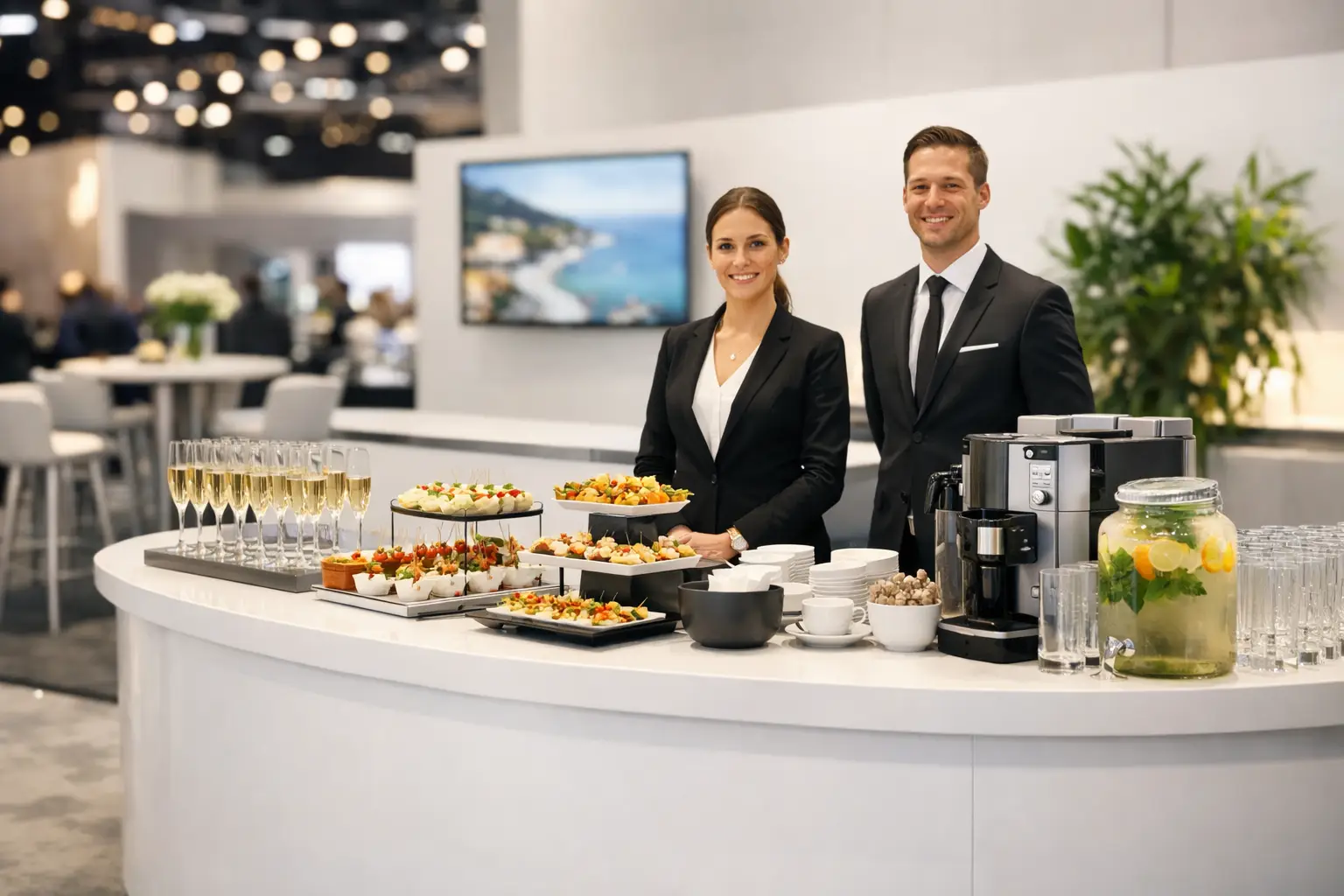
A hospitality stand is often the first service point guests notice and the one they remember when the program ends. A thoughtful hospitality stand setup for events does more than present food and beverages. It signals that the host has anticipated guest needs, respected their time, and created an occasion worthy of their attendance.
For corporate conferences, government gatherings, executive meetings, and VIP receptions, the standard is not simply to provide refreshments. The stand must look composed, operate efficiently, and reflect the importance of the organization behind it. Every detail - from the placement of coffee cups to the greeting offered by service staff - contributes to the guest experience.
Start With the Purpose of the Occasion
The strongest hospitality stands are designed around the event schedule and guest profile, not around a standard menu alone. A morning board meeting requires a different approach from a full-day conference, an afternoon training session, or a formal reception for senior guests. Understanding when guests arrive, how long their break lasts, and whether they will be standing or seated determines the right service style.
For a brief coffee break, speed is essential. Guests should be able to collect coffee, water, and a light item without forming a line that extends into the event space. For a longer networking interval, the stand can encourage conversation with a more generous arrangement of savory bites, sweets, specialty beverages, and discreet seating nearby.
Guest expectations matter equally. Executive and VIP audiences generally value restrained presentation, attentive service, premium ingredients, and a calm environment. Larger employee or conference groups may need greater menu variety and replenishment capacity. The objective is to offer enough choice without making the display feel crowded or difficult to navigate.
Build the Menu Around Time and Energy
A menu should support the rhythm of the program. Early events benefit from breakfast selections that feel fresh and easy to enjoy, such as pastries, fruit, mini sandwiches, yogurt options, and quality coffee. Midday hospitality may call for substantial snacks or boxed lunch solutions when attendees have limited time. Afternoon service is often best suited to Arabic coffee, tea, dates, desserts, and lighter savory selections.
Balance is particularly important in a business setting. Guests may appreciate traditional Saudi hospitality elements, but they also expect choices that suit varied preferences and dietary requirements. A considered menu can include familiar regional favorites alongside contemporary items, vegetarian selections, and clearly identified options for guests with allergies or specific dietary needs.
The number of menu items should reflect the length of service. Too few choices can feel limited, while too many can slow service and increase waste. For many formal events, a curated selection presented beautifully has greater impact than an oversized display with no clear focus.
Design the Hospitality Stand for Guest Flow
Presentation is central to a premium hospitality stand setup for events, yet appearance cannot come at the expense of function. The layout should make the next step obvious to every guest. Beverages, cups, napkins, food items, and waste points must be arranged in a logical order so guests do not cross paths or pause unnecessarily.
Place high-demand beverages where staff can replenish them quickly. Coffee stations need enough space for cups, lids where appropriate, stirrers, sugar, and milk options without creating congestion. Food should be set at a comfortable serving height, with plates and napkins available before guests reach the first item. If the event includes Arabic coffee service, it should be presented as a distinct and welcoming hospitality moment rather than an afterthought beside a beverage urn.
Color, texture, and height add refinement to the stand. Elevated platters, clean serving vessels, fresh floral accents, and coordinated linens can create a polished visual composition. The most successful designs, however, remain disciplined. Excess decoration can take up valuable service space, obstruct menu labels, or conflict with the client’s event branding.
For branded corporate occasions, the stand should complement the room rather than compete with it. Neutral, elegant styling works well when the event identity is highly visible elsewhere. When a company has a more defined visual direction, carefully selected colors or branded details can reinforce the occasion while preserving an elevated hospitality atmosphere.
Keep Service Areas Separate When Needed
Not every event should use one large buffet-style stand. High-profile gatherings may benefit from separate service areas for coffee, cold beverages, and food. This approach reduces lines and gives the room a more relaxed appearance, especially when guests arrive in waves.
A dedicated VIP stand is also valuable when senior guests require privacy, faster service, or a more exclusive menu. It should receive the same operational attention as the main stand, including planned replenishment, attentive staff, and consistent presentation. A VIP area that is visibly understocked or unattended can undermine the very impression it is meant to create.
Staff Turn a Display Into Hospitality
Even an elegant stand can feel impersonal without the right service team. Trained staff provide the assurance that refreshments remain available, the area stays orderly, and guests receive help before they need to ask. Their role is especially important at formal events, where hosts and organizers should be free to focus on their guests rather than manage catering details.
Service staff should understand the menu, key ingredients, dietary accommodations, and the intended pace of the event. They should also know when to offer assistance and when to remain discreet. A warm greeting, a prompt refill, or guidance toward an appropriate menu option can feel highly personal without becoming intrusive.
Professional appearance is part of the service standard. Uniforms, grooming, posture, and service language should align with the client’s setting. At an executive reception, understated confidence is often more appropriate than highly visible service. At a large conference, staff may need to be more proactive in directing guests and keeping traffic moving.
Plan Replenishment Before the Doors Open
The quality of a hospitality stand is judged throughout the service period, not only at the opening moment. A display that begins beautifully but becomes untidy, depleted, or poorly maintained within 20 minutes creates a poor impression. Successful execution depends on a replenishment plan built around expected attendance, break duration, and the items most likely to be requested first.
Coffee, water, napkins, cups, and popular pastries usually need the closest attention. Hot items should be served in quantities that preserve freshness rather than placed out all at once. Cold selections require careful temperature control, particularly in venues where room conditions or guest traffic can affect food quality.
Behind-the-scenes organization matters as much as what guests see. The catering team needs a nearby but discreet staging area for additional stock, equipment, cleaning supplies, and replacement serving pieces. This allows staff to refresh the stand quietly and quickly, without carrying cartons or supplies through the guest area.
Timing should be coordinated with the event agenda. If a session runs late, the catering team must be ready to hold service appropriately while maintaining quality. If a break begins early, the stand should already be prepared. This responsiveness is one reason experienced hospitality partners are essential for events where schedules can shift without warning.
Protect the Experience With Clear Details
Small practical details have a large effect on guest confidence. Menu labels should be accurate, easy to read, and placed without clutter. Allergen information should be available to staff, and special dietary requests should be confirmed in advance rather than handled reactively during service.
Venue access, loading times, power availability, table dimensions, and parking arrangements should also be addressed early. A beautifully designed stand cannot compensate for an inadequate setup window or missing equipment. For large or high-profile occasions, a site review can prevent last-minute compromises and confirm the best location for service, guest movement, and visual impact.
Catering Dor approaches these details as part of the hospitality experience, combining customized menus, trained service teams, and polished presentation for events where reliability matters. The right partner should bring structure to the planning process while adapting the service to the client’s guests, venue, and program.
A hospitality stand should leave guests feeling considered rather than simply served. When the menu, design, staffing, and timing work together, a short refreshment break becomes a quiet but meaningful reflection of the host’s standards.