How to Build an Office Catering Schedule
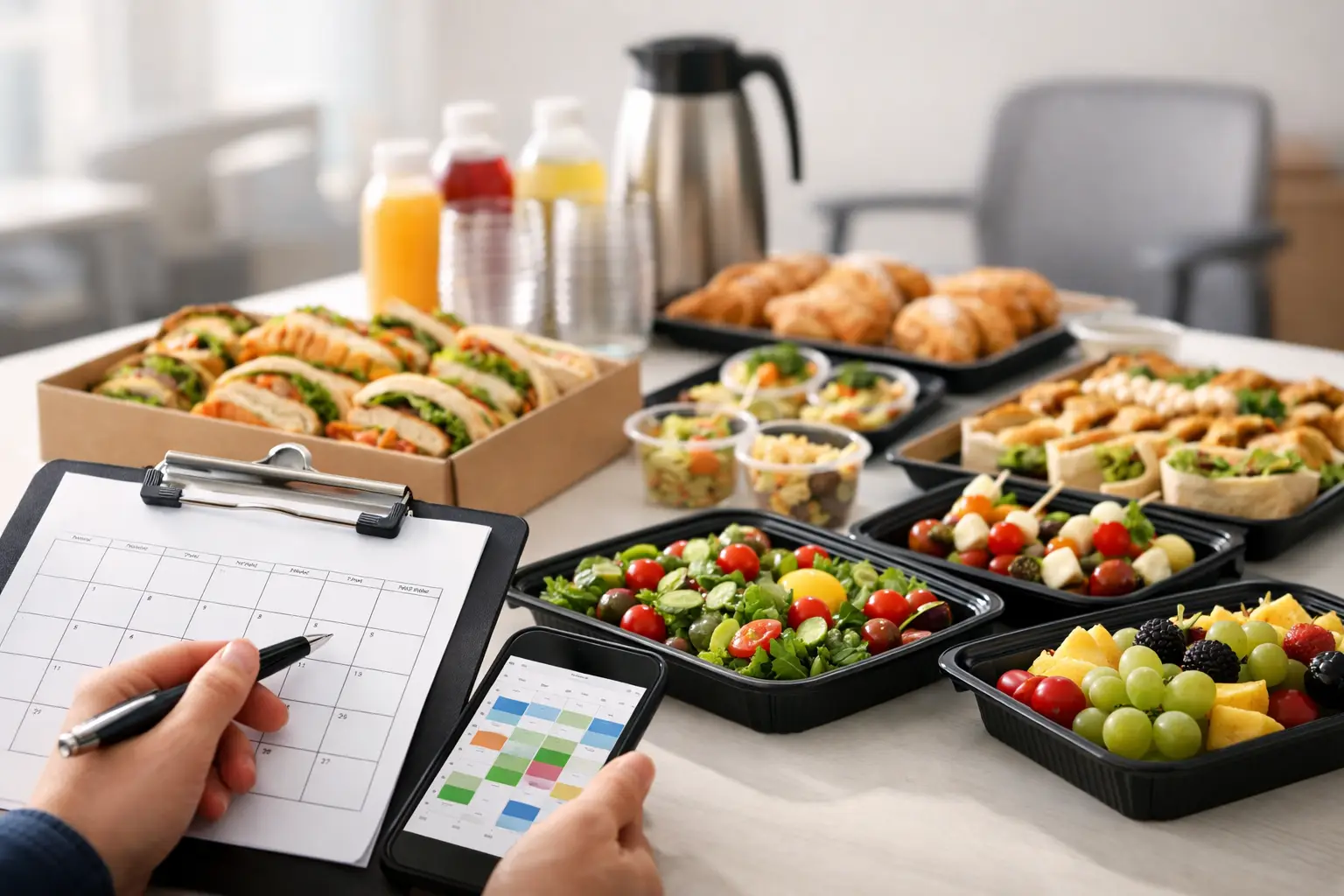
An effective office catering schedule does more than reserve meals for the calendar. It protects meeting time, supports employee energy, and ensures that every guest receives the level of hospitality your organization intends to provide. For executive meetings, training days, board sessions, and VIP visits, food service is part of the experience your guests will remember.
The strongest schedules are planned around the rhythm of the workplace rather than assembled at the last minute. They account for attendance patterns, meeting formats, dietary requirements, building access, and the appropriate presentation for each occasion. When these details are coordinated early, catering becomes a dependable operational advantage instead of another item for an administrator to manage under pressure.
Start With the Business Calendar
A catering calendar should begin with the events that are already fixed: board meetings, leadership reviews, client presentations, training programs, quarterly town halls, and conferences. These occasions often have formal timing requirements and a higher expectation for presentation. Add them to the schedule first, then identify recurring needs such as weekly team lunches, monthly employee gatherings, and routine morning meetings.
Look beyond the individual event. A three-day workshop, for example, may require a different service plan each day. The first morning may call for a welcoming breakfast and coffee service, midday sessions may need a composed lunch that can be served efficiently, and the final day may warrant an elevated reception for speakers or senior guests.
Seasonality also matters. During busy corporate periods, catering partners and venue teams may require more advance notice. Ramadan, year-end functions, national occasions, and major conference seasons can affect guest preferences, service windows, and availability. A forward-looking schedule gives your organization more menu choice and more time to coordinate service standards.
Define the Purpose of Each Service
Not every office meal should be approached in the same way. The question is not simply what to serve, but what the food service must accomplish.
For a 9:00 a.m. leadership meeting, a refined coffee break with premium pastries, light savory selections, and professionally presented beverages may be more appropriate than a full breakfast. For a working lunch with a tight agenda, individual lunch boxes can protect punctuality and reduce interruptions. For a client-facing meeting, plated or buffet-style lunch service may better reflect the importance of the occasion.
A practical office catering schedule usually includes four distinct moments: breakfast or arrival hospitality, mid-morning coffee breaks, lunch service, and afternoon refreshments. VIP hospitality stands may be added for formal receptions, executive visits, or high-profile events. Planning these moments separately prevents a common mistake: ordering too much food at one point in the day and leaving guests without an appropriate option later.
The meeting format should guide the service style. Buffet service suits larger internal groups when guests have time to move through the room. Individually packed meals work well for training rooms, site visits, and meetings where participants must remain seated. Passed refreshments or a polished hospitality stand can create a more elevated atmosphere for guest receptions.
Build the Office Catering Schedule Around Timing
Timing is one of the clearest signs of professional hospitality. Food that arrives early can lose its intended quality; food that arrives late can disrupt an entire agenda. Your schedule should include not only the planned meal time, but also access times, setup windows, service duration, and clearing requirements.
For morning meetings, arrange coffee and breakfast setup before the first attendee arrives. This allows guests to enter a prepared space and begin conversations naturally. For lunch, consider whether a service window will work better than a single serving time. A session ending at 12:30 p.m. rarely means every participant will reach the dining area at exactly 12:30.
Leave a reasonable buffer between sessions, particularly for larger groups or events on multiple floors. Elevators, security procedures, parking restrictions, and room changes can all affect service. A dependable catering partner will ask about these operational details because they directly influence punctual delivery and presentation.
It is also wise to avoid scheduling heavy meals immediately before a high-focus session. A lighter lunch with balanced proteins, fresh salads, and thoughtful sides may be better suited to an afternoon workshop than an overly rich menu. The best choice depends on the agenda, the guest profile, and the expected level of formality.
Plan Menus That Respect Guests and the Occasion
Menu planning should feel considered, not repetitive. Employees who receive regular office meals appreciate variety, while visiting guests expect selections that reflect care and quality. Rotate breakfast items, lunch proteins, salads, desserts, and snack offerings so recurring service remains engaging without becoming unnecessarily complicated.
Dietary requirements should be built into the process from the beginning. Confirm vegetarian, vegan, gluten-conscious, allergy-related, and other requests well before the service date. For formal events, discreet labeling and careful placement are essential. Guests should be able to identify suitable options confidently, without needing to ask in front of colleagues or clients.
Saudi hospitality can be expressed with elegance through generous presentation, quality ingredients, Arabic coffee, dates, and menus that balance familiar local flavors with international preferences. The right approach depends on your audience. A government delegation, multinational client group, and internal employee training program may each call for a different menu balance.
For recurring orders, establish a menu rotation with your catering provider. This creates consistency in quality while allowing for seasonal changes and feedback from employees. It also reduces the administrative time required for every new request.
Assign Clear Ownership Before Event Day
An office catering schedule works best when one person owns coordination, but that person has the right information from key stakeholders. Office administration may manage room access and headcount, while HR may confirm employee attendance and procurement may require approval or purchase order details. Event teams may have separate needs for branding, guest registration, and VIP service.
Confirm the final guest count early, then establish a clear deadline for adjustments. A small contingency is sensible for many corporate events, particularly when senior guests, speakers, or visitors may be added late. The appropriate buffer depends on the event. A closed board meeting requires precision, while an open employee event may need additional capacity.
Provide the catering team with a concise event brief. Include the date, location, access contact, setup time, service time, guest count, menu, dietary requirements, room layout, and any special presentation expectations. This removes assumptions and helps the service team arrive prepared.
For high-profile occasions, designate an on-site contact who can make quick decisions. Questions about room placement, late arrivals, or a shifted agenda should not delay service while multiple departments search for approval.
Review Recurring Service and Improve It
Recurring catering should become easier over time. After each major event or monthly service cycle, review what worked. Were quantities appropriate? Did the coffee break match the timing of the agenda? Were dietary selections clearly available? Did the service style suit the meeting room and guest profile?
Feedback does not need to become a lengthy report. A brief conversation with meeting hosts, employees, or executive assistants can reveal whether menus need more variety, whether lunch timing should change, or whether a different setup would improve flow. Small refinements often have the greatest effect on guest satisfaction.
Track practical details as well. Record preferred menus, room capacities, setup constraints, delivery instructions, and stakeholders’ expectations. This creates a reliable reference for future events and allows your catering partner to deliver with greater familiarity and precision.
For organizations managing frequent meetings or multiple locations, a quarterly planning session can be especially valuable. It allows upcoming events to be mapped in advance, identifies periods of high demand, and gives decision-makers time to align budgets with the required hospitality standard.
Choose a Partner Prepared for More Than Delivery
Premium office catering requires more than prepared food delivered to an address. It requires punctual coordination, menu guidance, trained staff when needed, polished setup, and a clear understanding of corporate expectations. The right partner should be able to support a simple breakfast box order with the same discipline applied to a formal conference lunch or VIP reception.
Catering Dor supports organizations across Saudi Arabia with customized food service designed for meetings, institutional events, and recurring workplace needs. The focus is not merely on feeding attendees, but on delivering a refined hospitality experience that reflects well on the host organization.
A well-managed catering calendar gives your team one less uncertainty on event day. When the service is planned with care, guests can focus on the conversation, the agenda, and the relationship in front of them - exactly where their attention belongs.