كاترينج احترافي for High-Stakes Saudi Events
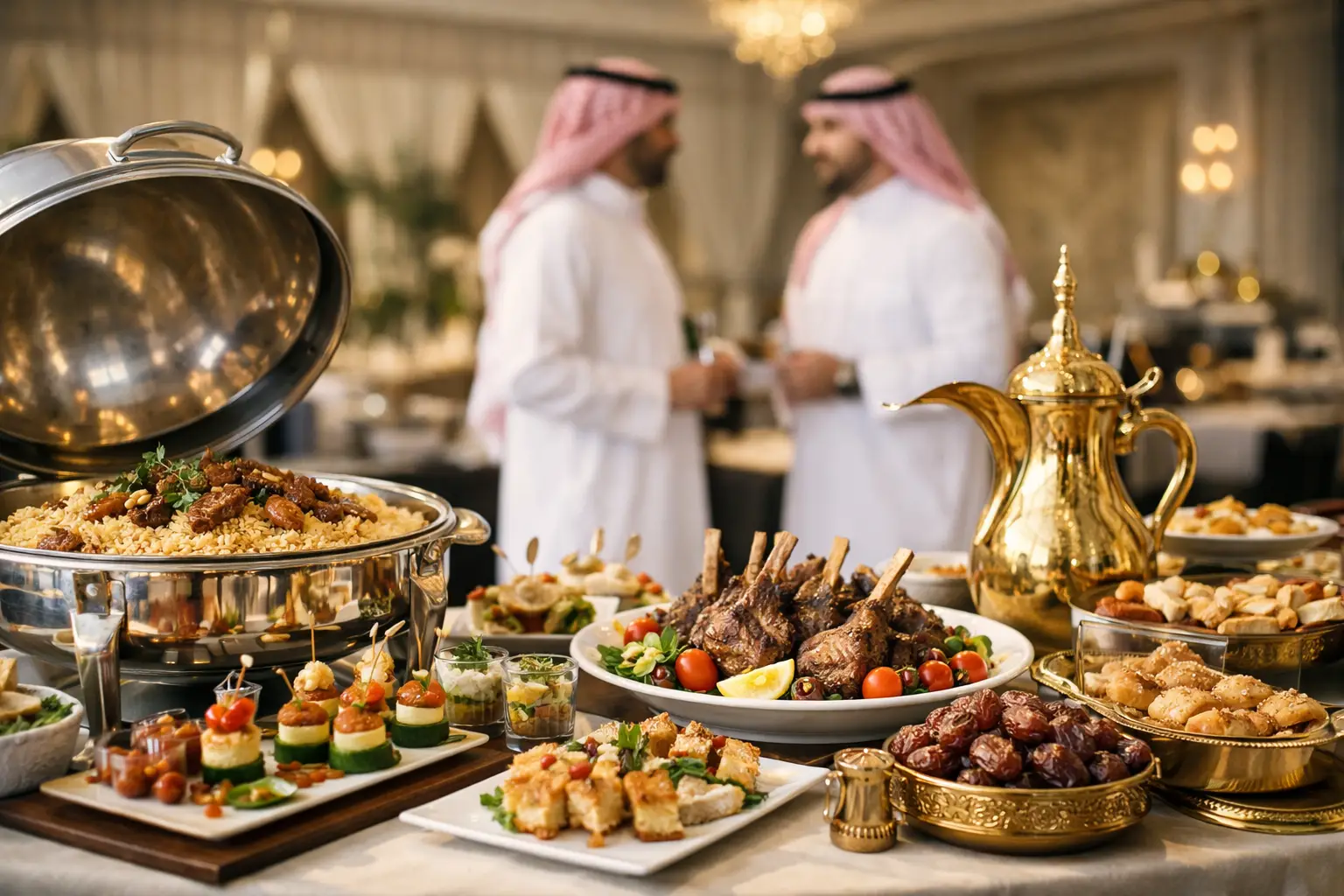
A boardroom breakfast that arrives 20 minutes late can change the mood of an entire executive meeting. A VIP reception with inconsistent presentation can distract from an otherwise well-planned event. This is why كاترينج احترافي is not simply about providing food. It is a disciplined hospitality service designed to protect the host’s reputation, respect guests’ time, and create a composed experience from the first coffee service to the final departure.
For corporate teams, government entities, institutions, and event organizers in Saudi Arabia, catering is often one of the most visible parts of an occasion. Guests may not remember every presentation slide or table decoration, but they notice the quality of the welcome, the condition of the service area, and whether every detail feels prepared for them.
What كاترينج احترافي Means in Practice
Professional catering combines menu planning, food quality, staffing, service timing, equipment, setup, and presentation under one accountable operating plan. The difference becomes clear when an event has limited time, senior attendees, special dietary needs, or a high number of guests.
A dependable catering partner does not approach a conference coffee break in the same way as a private lunch or a VIP hospitality stand. Each format has its own guest flow, serving style, replenishment needs, and visual expectations. A breakfast box for an early site meeting must be practical, fresh, and easy to distribute. A formal lunch for visiting executives requires a more considered sequence, polished table presentation, and attentive service.
The goal is not excess. It is appropriateness. The strongest hospitality experience feels generous without being wasteful, elegant without becoming difficult to manage, and tailored without creating unnecessary complexity for the host.
Start With the Occasion, Not the Menu
Many catering decisions begin with a list of dishes. For important events, that is usually the wrong starting point. The first question should be: what must guests experience during this occasion?
A training session may need light, energizing breakfast options and a coffee break that keeps attendees close to the meeting room. A full-day conference may require a lunch menu that is satisfying but not overly heavy, followed by refreshments that maintain energy in the afternoon. An executive reception may call for refined canapés, premium beverages, and service staff who understand when to be present and when to remain discreet.
Guest profile also matters. Consider seniority, cultural expectations, arrival patterns, event duration, venue restrictions, and whether attendees will be seated, standing, or moving between sessions. These details determine more than the menu. They influence service points, packaging, portioning, replenishment schedules, and staff allocation.
When the format is clear, the menu becomes easier to shape with purpose. It can balance familiar Saudi hospitality with contemporary choices, account for vegetarian or allergy-sensitive guests, and reflect the level of formality expected by the organization.
Timing Is a Service Standard
In business hospitality, punctuality is part of the product. Food may be excellent, but the experience falls short if breakfast is not ready before guests arrive or lunch service disrupts an agenda.
Professional catering requires advance coordination with the event schedule, venue access times, security procedures, loading arrangements, and room setup. The catering team should understand when guests enter the space, when speakers need uninterrupted attention, and when service can happen without creating noise or congestion.
This is especially important for coffee breaks. A short break may appear simple, yet it requires precise preparation. Beverages need to be at the right temperature, cups and accompaniments must be available before the room opens, and the station should remain orderly even when many guests arrive at once.
For recurring office hospitality, consistency matters just as much. Teams should be able to expect the same reliable arrival window, menu standard, and presentation quality across meetings. That dependability reduces pressure on executive assistants, office managers, and event coordinators who are already managing multiple priorities.
Presentation Carries Your Organization’s Name
Every service table communicates something about the host. Clean lines, considered displays, appropriate serving ware, and clear organization signal care and preparedness. Crowded stations, mismatched packaging, or poorly managed replenishment can send the opposite message.
Presentation should match the event rather than follow a single fixed style. A formal government gathering may require restrained elegance and carefully structured service. A company workshop may benefit from accessible individual portions that keep the schedule moving. A premium private occasion may call for more detailed styling and personal attention.
The best setup also considers function. Guests should be able to identify offerings easily, move through the area comfortably, and access beverages without creating queues. For larger events, multiple service points may be more valuable than one elaborate display. The right choice depends on venue size, guest count, and the amount of time available.
Trained Service Staff Make the Difference
Food is only one part of hospitality. The people serving it shape the atmosphere of the room. Professional staff understand grooming, courteous communication, food handling, guest awareness, and the importance of discretion in formal environments.
At a VIP event, service staff should recognize when to offer assistance without interrupting conversations. At a busy conference, they should keep stations replenished and orderly without drawing attention away from the program. At a corporate lunch, they should support a smooth pace so that guests can return to their commitments on time.
This level of service is particularly valuable when the host cannot be everywhere at once. A capable catering team anticipates ordinary needs, responds calmly to changes, and gives organizers the confidence to focus on guests rather than operational details.
Customization Should Be Useful, Not Decorative
Customized catering is valuable when it solves a genuine event need. It may mean adapting breakfast boxes for an early off-site meeting, creating lunch boxes for guests with limited break time, or offering a menu that accommodates dietary preferences without isolating certain attendees.
It can also include branded presentation for a product launch, a menu that reflects a seasonal occasion, or a VIP stand with offerings selected for a particular audience. However, customization should always remain practical. Too many menu variations can complicate service, increase waste, and make it harder for guests to choose quickly.
A strong catering plan focuses on a clear selection that meets the needs of most guests while providing thoughtful alternatives where necessary. The result should feel personal and well-managed, not overdesigned.
Choosing the Right Catering Partner
The right partner is evaluated by more than menu photographs. Ask how the team plans for guest volume, manages food quality during service, handles venue limitations, and responds if the agenda changes. Confirm whether trained staff, setup requirements, serving equipment, and cleanup are included in the proposed scope.
It is also wise to discuss the details that are easy to overlook: access and parking arrangements, service duration, dietary requirements, table dimensions, electricity needs, and the point of contact on event day. Clear planning before the event creates a calmer experience during it.
Catering Dor approaches these requirements as an integrated hospitality responsibility, combining customized menus, refined presentation, and dependable operational coordination for occasions where standards cannot be left to chance.
Build Hospitality Into the Event Plan Early
Catering works best when it is considered alongside the agenda, venue, and guest list, not added at the final stage. Early planning creates better menu choices, more accurate quantities, smoother setup, and an experience that feels intentional from the beginning.
For your next meeting, reception, or institutional event, define the guest experience you want to protect first. Then choose a catering approach with the timing, presentation, and service discipline to deliver it with confidence.