Saudi National Day Events | اليوم الوطني السعودي
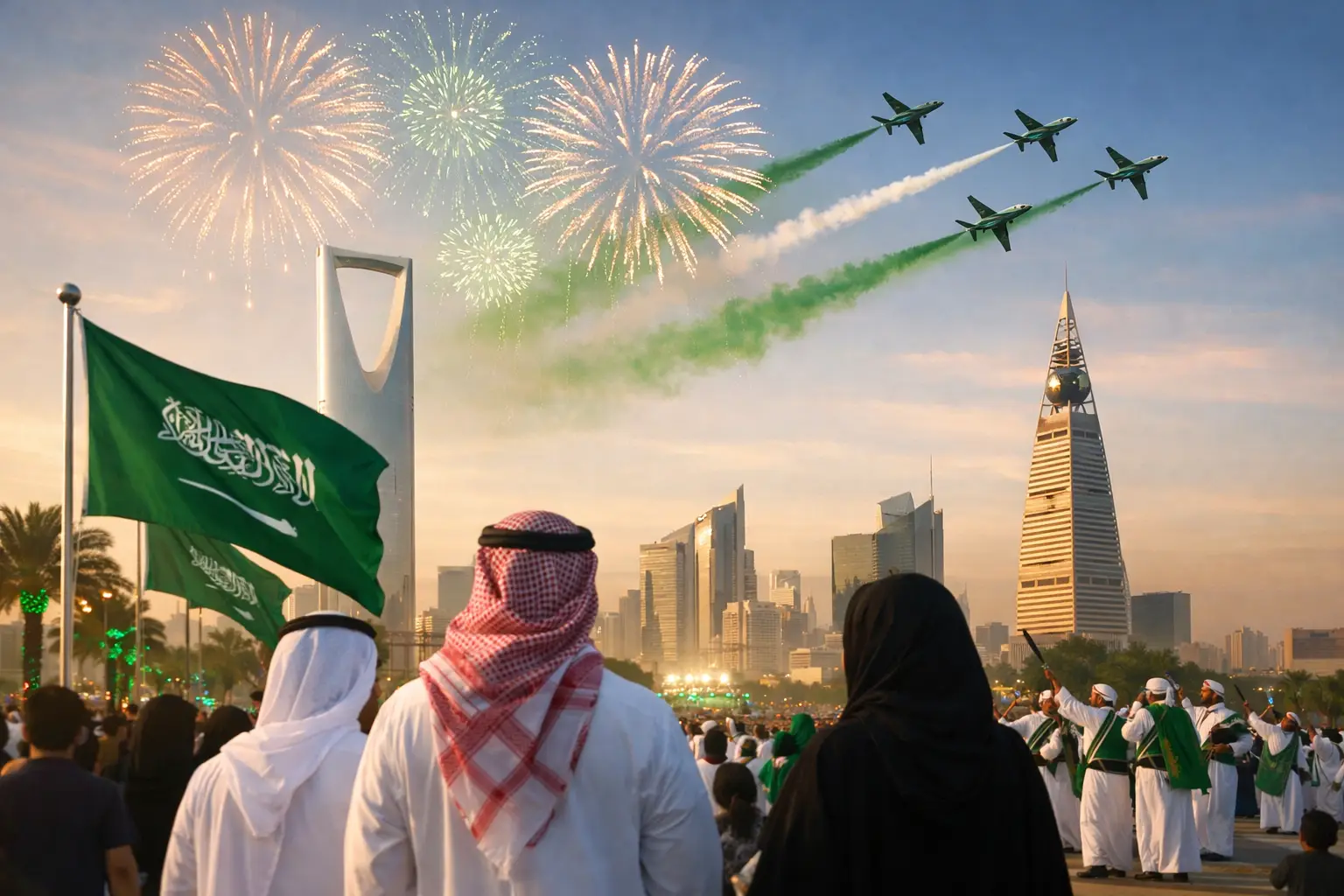
September 23 is more than a date on the corporate calendar. For organizations across the Kingdom, اليوم الوطني السعودي is an opportunity to welcome employees, clients, officials, and partners with the generosity, pride, and precision that define Saudi hospitality. The occasion may be festive, but the standard of execution remains high: every guest arrival, service station, menu choice, and timing detail reflects on the host organization.
A successful Saudi National Day event does not rely on green decorations alone. It creates an experience that feels respectful of the occasion and appropriate for the people in the room. Whether the plan is a staff gathering at the office, a formal government reception, a client event, or a VIP celebration, hospitality should be designed around the guest journey from the first welcome to the final coffee service.
What اليوم الوطني السعودي Represents for Hosts
Saudi National Day commemorates the unification of the Kingdom in 1932. In a business setting, it offers a meaningful moment to recognize national identity, shared progress, and the people who contribute to an organization’s future. That makes the event format especially important. It must feel celebratory without becoming informal in a way that conflicts with the venue, the guest profile, or the organization’s reputation.
For executive offices, institutions, and corporate teams, the strongest celebrations combine national character with practical event management. Guests should be able to move comfortably through the space, access food and beverages without long waits, and enjoy an atmosphere that feels polished rather than crowded. The quality of hospitality is often remembered long after speeches, photographs, and event signage.
The right approach depends on the purpose of the gathering. A short morning celebration for employees may call for individually presented breakfast boxes, Saudi coffee, fresh pastries, and branded desserts. A larger afternoon reception may require staffed hospitality stands, substantial savory selections, live service, and a menu that can accommodate guests arriving at different times. For a VIP audience, privacy, table service, premium presentation, and quiet operational control usually matter more than abundance alone.
Start With the Guest Experience
Event planning becomes more effective when the question shifts from “What food should we serve?” to “How should guests feel throughout the event?” For Saudi National Day, the desired feeling is usually one of welcome, pride, and confidence in the host.
Guest numbers, venue layout, event duration, and attendee profile should shape the hospitality format. A 45-minute internal gathering has different needs from a three-hour reception for clients and officials. Over-ordering a large lunch menu for a brief coffee break can create unnecessary waste and congestion. On the other hand, serving only light bites at an event that extends through a meal period can leave guests disappointed, even if the presentation is beautiful.
Match Service to the Setting
For office celebrations, a well-organized coffee break can be the most practical option. It allows teams to gather around a central hospitality area without disrupting the workday. Arabic coffee, tea, cold beverages, date-based sweets, mini sandwiches, savory pastries, and small desserts create variety while remaining easy to serve and enjoy.
For conferences, launches, and institutional events, multiple service points may be the better choice. Separating coffee, cold drinks, savory items, and desserts helps manage guest flow. This matters particularly when many attendees arrive at once following a keynote, ceremony, or meeting. A professional catering team can assess the expected volume and recommend a service setup that protects both timing and presentation.
VIP receptions require another level of care. Guests may need dedicated seating, discreet staff attention, and a menu designed around refined portions rather than self-service volume. In this environment, consistency is essential. Coffee should arrive at the right temperature, trays should be replenished before they appear depleted, and staff should be present without interrupting conversation.
Create a Menu With National Character and Broad Appeal
A Saudi National Day menu should feel connected to the occasion, but it does not need to be limited to a single style of food. The most effective menus balance familiar Saudi elements with selections that suit diverse corporate and international guest lists.
Saudi coffee and dates remain natural anchors because they immediately communicate warmth and tradition. They can be paired with elegant petit fours, date desserts, maamoul, mini cakes in occasion-appropriate colors, and fresh fruit. For savory service, consider a balanced mix of local-inspired bites, premium sandwiches, pastries, salads, and warm items that hold their quality throughout the event window.
For lunch events, the menu should provide enough substance while remaining easy to serve in a professional setting. Shared buffet service can work well for larger employee gatherings, while plated or boxed meals may be more suitable where timing, seating, or hygiene requirements are more controlled. Breakfast and lunch boxes are also a strong choice for organizations with multiple departments, staggered schedules, or several locations.
Dietary preferences should be addressed early, not treated as an afterthought on event day. Vegetarian selections, lighter options, and clearly managed allergen requirements help every guest participate comfortably. The goal is not to make the menu overly complicated. It is to show thoughtful preparation and avoid placing guests in the uncomfortable position of having no suitable option.
Let Presentation Carry the Same Standard as the Food
National Day hospitality is visual as well as culinary. A carefully arranged service stand, coordinated table linens, polished serving pieces, and restrained green accents can create a strong sense of occasion. The most successful presentation is intentional, not excessive. It should support the brand, venue, and event message rather than compete with them.
For corporate hosts, customization can make the experience feel more considered. Dessert details, menu cards, coffee station design, and packaging can be adapted to align with organizational branding while honoring the national celebration. This is especially valuable for client-facing events, where every visual detail contributes to the impression of care and professionalism.
There is a trade-off, however. Highly customized elements generally require more planning time and a clearer approval process. If the event is approaching quickly, prioritize the details guests will notice most: food quality, clean presentation, reliable service, and a coherent color palette. A smaller number of well-executed visual touches is more effective than a crowded display of last-minute decorations.
Timing Is a Hospitality Detail, Not an Operations Detail
Punctuality is one of the clearest signs of a dependable catering partner. At National Day events, schedules can shift due to speeches, executive arrivals, prayer times, security procedures, or high guest traffic. The catering plan must be flexible enough to adapt while keeping food fresh and the presentation complete.
This requires more than delivering trays at a set time. It involves coordinated setup, service readiness, replenishment planning, and an experienced on-site team that understands the rhythm of formal events. Warm items must be served at their best, chilled items must remain properly presented, and coffee stations must remain active throughout the period guests are expected to use them.
Before confirming a menu, event planners should clarify access times, loading arrangements, setup space, electrical requirements, staff entry procedures, and the exact point at which service must begin. These details may seem routine, but they are often the difference between an elegant reception and a stressful start. A trusted catering partner plans for the venue as carefully as it plans for the menu.
Choose a Partner That Protects Your Reputation
For corporate and institutional hosts, catering is not simply a food purchase. It is a visible part of the event’s operational standard. The selected provider should be able to offer tailored menus, trained service staff, disciplined timing, and the confidence to manage both intimate gatherings and large-scale functions.
Catering Dor supports Saudi National Day celebrations with professionally managed catering and hospitality solutions designed for business environments, VIP receptions, and formal occasions. The focus should always remain on what the host needs: an authentic guest experience, food presented with care, and service that allows the organizing team to focus on their attendees rather than operational concerns.
A detailed briefing creates better results. Share the guest profile, expected attendance, event purpose, venue constraints, budget priorities, and any brand requirements from the beginning. With this information, the hospitality plan can be shaped around the event rather than forced into a standard package.
As September 23 approaches, the strongest hosts will not measure their celebration by the size of the display. They will measure it by the welcome their guests receive, the pride the experience inspires, and the confidence that every detail has been handled with genuine Saudi hospitality.